By Sue Maclennan
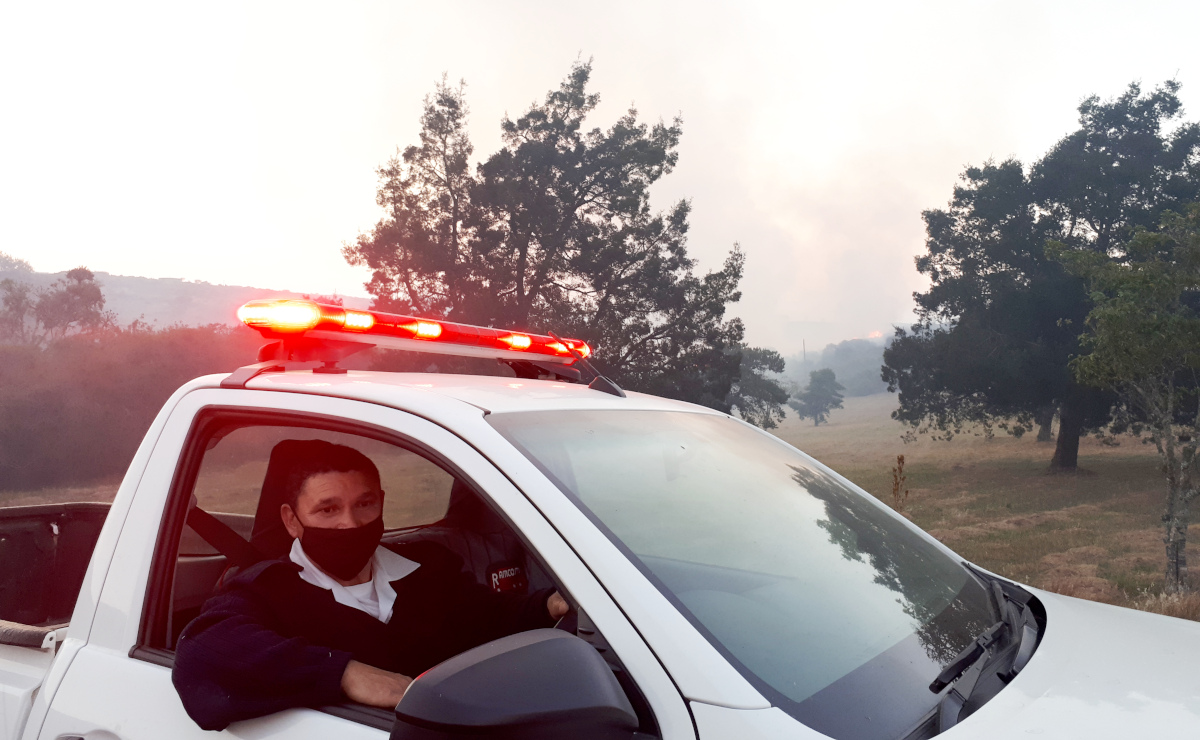
Makana Fire Services has attended to 40 small to medium size veld fires during the past 12 months. Smoking, the burning of electrical wires to extract copper, and sparking overhead power cables are the likely causes of most. As Working on Fire warns of increased fire risk globally, SmilingSouth asked Makana Fire Services Manager William Welkom for local stats and advice.
Eight of the world’s worst wildfire weather years on record happened in the past decade, and that it will only get worse, according to Managing Director of Working on Fire (WoF), Trevor Abrahams.
“Climate and environmental changes are causing a global increase in wildfires, of which some have the propensity to become large scale disasters,” he said in a WoF media release this week.
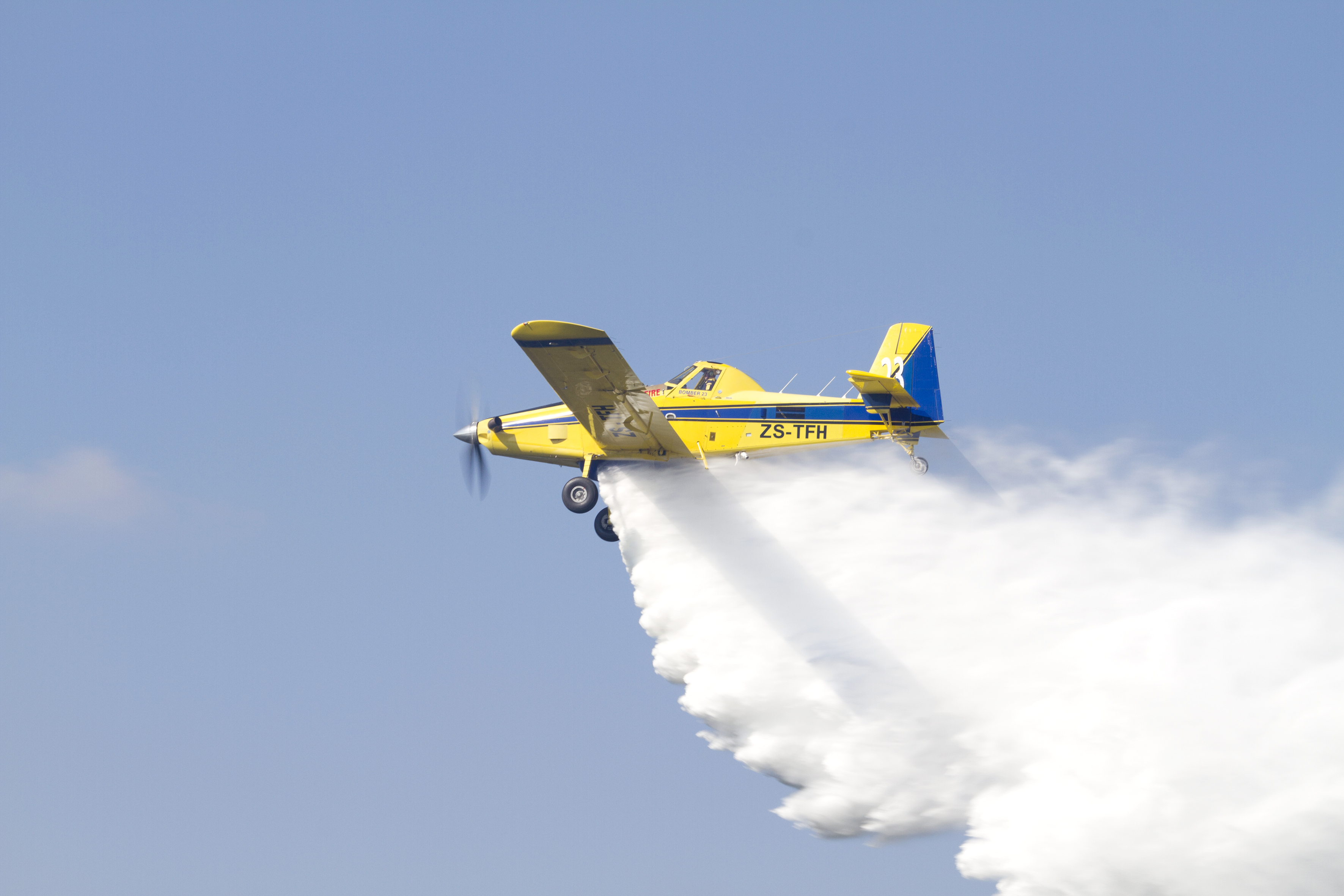
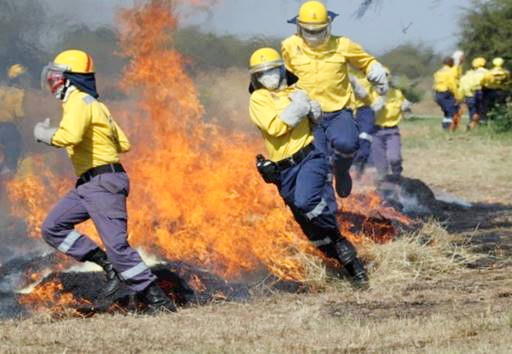
One of the tools to tackle this is the practice of integrated fire management (IFM), developed by Kishugu, Working on Fire’s implementing agent, Abrahams said. At a national level, this incorporates aircraft, vehicles, pilots, firefighters, incident management teams, equipment and tools.
But what kinds of resources are available to Makana’s fire fighting teams?
“Makana Fire Services falls under the Sarah Baartman East Fire Protection Association,” said Welkom. “Working on Fire has a base in Port Alfred and can be called upon to assist when required, through the Sarah Baartman District Municipality (SBDM) Disaster Management Centre.
“A contingency plan is also in place.”
Preventative measures to counter the start and spread of fire is core to Kishugu’s integrated fire management system.
Applying that locally, fire breaks are an important safeguard and Makana Fire Services advises land owners to create fire breaks around their properties.
“Controlled burning permits are issued to land owners,” Welkom said. To obtain a Controlled Burning Permit, land owners should contact Makana’s Fire Service Manager, or the Station Commander.
Makana has a winter fire season, from July to October.
The Department of Forestry, Fisheries and the Environment’s Working for Water programme has played an important role in reducing the risk of intense fires around Makhanda by clearing large numbers of invasive aliens from the surrounding hills. Pine and eucalyptus, in particular, burn easily and intensely.
“The Working for Water team is still active in Makana,” Welkom said.
Makana Fire Services has a direct link with Kishugu through the Port Alfred Working on Fire base.
The organisation provides integrated fire management services to government, environmental and military agencies, forestry and agricultural companies to land users, NGOs, national and multinational development agencies, industry associations and Fire Protection Associations (FPAs).
Quoted in a media release from Working on Fire, Kishugu CEO, Emile Grobbelaar, said, “Maintaining an 80% proactive focus takes planning, collaboration and dedication with all our partners in the provinces. Fires don’t respect cadastral boundaries, and IFM shouldn’t either.”
Kishugu and Working on Fire are frequently called to provide wildfire management capacity and skills in other parts of the world.
PREVENT FIRES IN MAKANA
Fire Services Manager William Welkom offers these tips for keeping your community safer from fires that start outdoors:
- If you’re a land owner, make sure there’s a fire break around your property.
- Don’t start unnecessary fires that can spread.
- Burn household refuse in a metal container (drum) instead of in an open space, where a fire is more likely to spread, and always be aware of your surroundings.
- If you notice a fire starting, please report it immediately to the Fire Department at (toll-free) 080 111 4444 or 046 622 4444.
- Controlled Burning Permits are issued on application by the Fire Department – check daily weather conditions before starting a controlled burn and don’t do a controlled burn on a windy day.
Tags: Fire, Makana, Working for Water, Working on Fire
 SmilingSouth
Leave a comment