Twelve years ago, SmilingSouth was a blog set up for a rainy day. It’s been a very busy 12 years, so it has stayed quiet until now. Welcome.
Local news, information and insights
August 9, 2021Taxis set for one-hour stoppage
April 27, 2022By Sue Maclennan
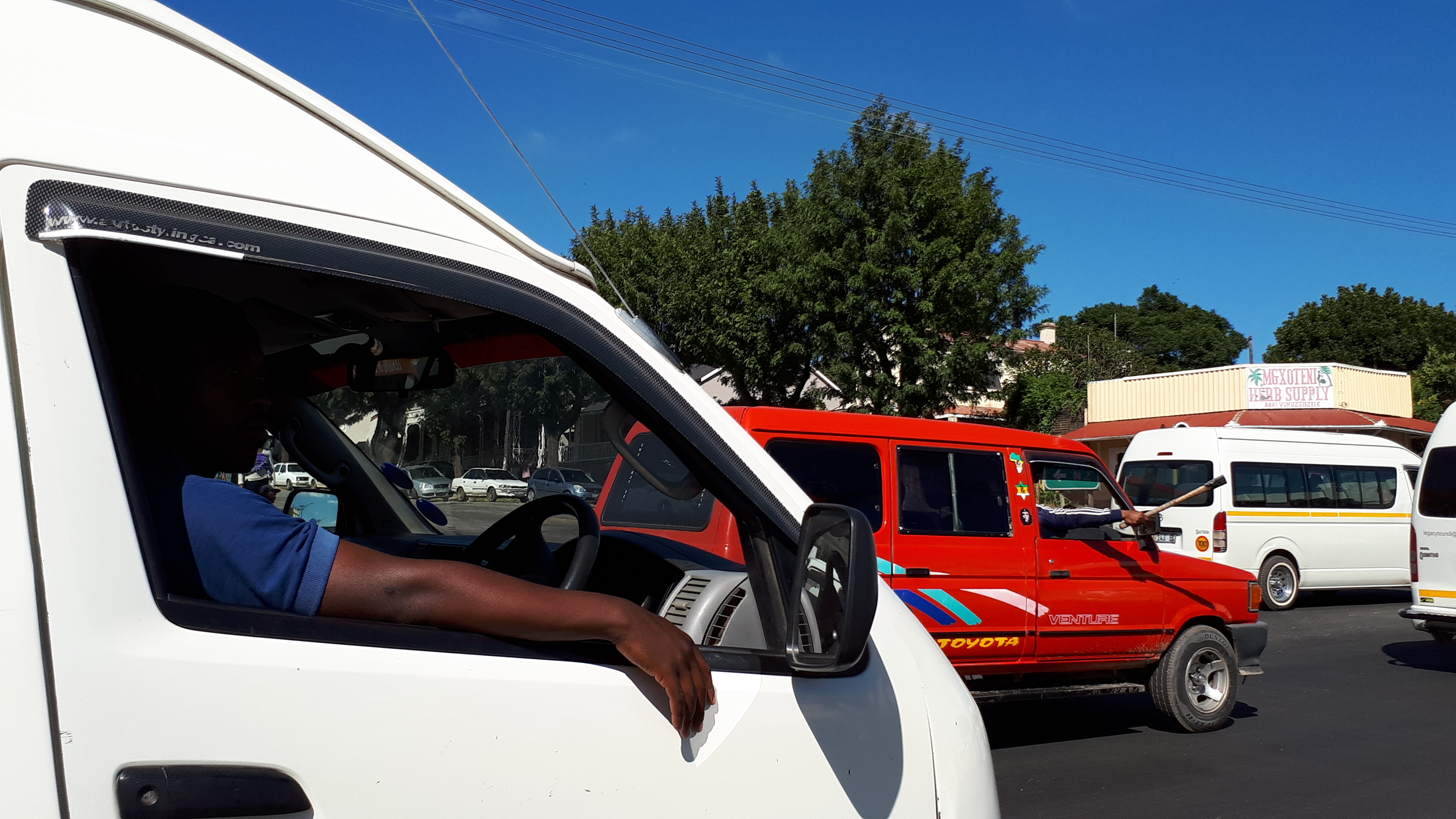
The Makhanda taxi industry says men who want to speak out against gender based violence are welcome to join them in an hour-long stoppage centred around the Border Alliance Taxi Association (BATA) rank in Beaufort Street on Thursday 28 April. Lungisa Sixaba, drivers’ convenor of the joint BATA/ Uncedo taxi forum, said taxis would convene in the area from 10am to 11am tomorrow.
The BATA taxi rank is metres from the Grahamstown Police Station and Sixaba said a delegation would be taking a petition to the station commander.
“We want the station commander to say how they are planning to deal with the crime in this town.”
Sixaba said they were concerned about increasing incidents of gender based violence, as well as the proliferation of drugs in the community. “Those drug dealers have now run away from the township and are now operating freely in town,” Sixaba said. “We need the police to be more visible.
“We as men in the taxi industry, we feel we must speak out. Enough is enough. The taxi industry is big, but we do not want to take the law into our own hands,” Sixaba said.
He said as a group that has contact with so much of the community regularly, it was important that people felt safe and were safe with them.
“Tomorrow, we will be wearing black. We will stop from 10am to 11am, but otherwise the day will be normal,” Sixaba said.
He said taxi association members had been delegated to monitor the situation in case criminals try to use the attention on that part of town as an opportunity.
“This is going to be a peaceful protest,” Sixaba said.
Sixaba is one of five councillors sworn into the Makana last week to replace five MCF PR councillors sworn in after the November 2021 local government election. However, he emphasised that tomorrow’s demonstration was not a political event.
“This is non political,” Sixaba said.
Easter Weekend weather outlook
April 13, 2022SOUTH AFRICAN WEATHER SERVICE
Thursday sees an upper trough starting to develop over the south-western sector of South Africa, expected to promote isolated light showers and thundershowers over the Cape provinces. The remainder of the country is expected to remain dry, although the Lowveld of South Africa and Eswatini may see a few showers or thundershowers.
Weekend weather for Friday through to Monday:
On Good Friday, the upper trough is expected to intensify further, resulting in the development of an extensive band of isolated to scattered showers and thundershowers over much of the central interior (Fig. 2). Consequently, North West, Free State, Eastern Cape and KwaZulu-Natal are likely to experience the return of thunderstorms, along with the risk of localised flooding and/or occurrences of hail and strong, damaging winds.
Saturday sees scattered to widespread showers and thundershowers persisting over the central provinces (Fig. 2), spreading to include the eastern and north-eastern provinces, where further significant to heavy falls may occur at places, especially over North West, Free State and Gauteng.
Sunday and Monday will see rainfall persisting over the central and eastern parts of the country (Fig. 2).
Figure 2: Rainfall probabilities for the Easter Weekend. Source: SAWS
The South African Weather Service acknowledges the unconventional naming of the low pressure that has caused devastation over KwaZulu-Natal earlier this week, however this low pressure is not expected to cause any further impacts over the country as it is forecasted to move away from South Africa.
The South African Weather Service will continue to monitor any further developments relating to this weather system and will issue subsequent updates as required. Furthermore, the public are urged and encouraged to regularly follow weather forecasts on television and radio. Updated information in this regard will regularly be available at www.weathersa.co.za as well as via the SA Weather Service Twitter account @SAWeatherServic
Compiled by Kevin Rae and Elizabeth Viljoen
Edited by Ezekiel Sebego
Floods and very cold weather warning
April 7, 2022REPORT FROM SOUTH AFRICAN WEATHER SERVICE
Rainy and cold conditions are expected to set in this coming Friday and throughout the weekend over the central and south-eastern parts of the country. The provinces expected to be particularly affected include the eastern parts of the Northern and Eastern Cape, Free State, North-West, Gauteng as well as KwaZulu-Natal and the Highveld region of Mpumalanga.
Associated with these rainy conditions, localised flooding is likely to affect the agricultural sector, infrastructure and settlements over the North-West, the northern parts of the Free state and Gauteng on Friday, including the eastern parts of the Northern Cape, the northern and eastern parts of the Eastern Cape, the western parts of KwaZulu-Natal and the Mpumalanga Highveld on Saturday. Localised disruptions to beachfront activities as well as incidents of damage to coastal infrastructure may also occur along the coastal region between Port Alfred and Sodwana Bay.
Figure 1: Modelled accumulation of rain (mm) over South Africa for the next 5 days. Source: GFS model
A general clearing of rainy conditions can be expected on Sunday over the Northern Cape, the western parts of both the North-West and Free State, as well as the north-western parts of the Eastern Cape. Notwithstanding the abovementioned clearing trend from the west, occurrences of localised flooding are expected to persist on Sunday over the eastern parts of North-West, Free State and the Eastern Cape.
This wet spell will be accompanied by cold to very cold conditions over the southern and south-eastern interior of the country on Friday, spreading to the central and eastern interior by Saturday. Moreover, light snowfalls can be expected over the eastern and southern parts of Lesotho and the surrounding Drakensberg mountains on Saturday evening as well as overnight Sunday night.
Figure 2: Expected light snowfalls during Sunday 10 April 2022 over parts of Lesotho and the southern Drakensberg Mountains. Source: GFS model.
Dominant weather system:
A sharp upper-air trough will form seaward of the south-west coast of South Africa on Friday. This upper- air trough is likely to propagate north-eastwards, whilst intensifying into a cut-off low (COL) over the south-western Cape on Saturday afternoon, 9 April 2022. The COL system (which will be supported and augmented by an Atlantic Ocean High within the lower atmosphere, ridging eastwards, south of the country) is expected to affect the central, southern and south-eastern interior of South Africa, exiting the south-eastern coastline of the country by Tuesday.
Figure 3: 500hPa geopotential heights indicating the likely position of the cut-off upper air low over the western parts of the country on Saturday, 9 April 2022, as well as the location of perturbations on the downwind side of the system. Source: GFS model.
The South African Weather Service (SAWS) strongly urges the public to avoid crossing rivers and swollen streams, especially in cases where the water is more than ankle deep. SAWS also recommends moving to higher ground if rising floodwaters threaten one’s safety.
The South African Weather Service will continue to monitor any further developments relating to this weather system and will issue subsequent updates as required. Furthermore, the public are urged and encouraged to regularly follow weather forecasts on television and radio. Updated information in this regard will regularly be available at www.weathersa.co.za as well as via the SA Weather Service Twitter account @SAWeatherService
Compiled by Luthando Masimini
Editing and proofreading by Kevin Rae
Full-on Fest again
April 4, 2022Residencies, schools programme in face-to-face National Arts Festival
| Life in Makhanda will be almost back to normal when the National Arts Festival resumes its live format from 23 June to 3 July. “We’ve catered for everyone, and included some surprises and provocations too,” said Artistic Director Rucera Seethal. ”Dance, theatre, visual arts, music, film, illusion and edgy, new cross-genre and interactive arts experiences will form part of the programme. The Festival will also host a residency programme that brings artists to Makhanda ahead of the event to work on collaborative projects and engage with the local scene. A robust and engaging Schools Festival will reignite the Festival’s long-time role as a winter holiday destination for young people and the ever-popular free Sundowner Concert will be staged daily at the Monument. The Village Green will be back in action with food trucks, craft vendors and a festive outdoor seating area for warming up winter bodies in the sunshine between shows. Despite the lockdown years, Makhanda’s restaurant scene is still robust and growing – and The Long Table will be back. |
| A Peek into the 2022 Programme |
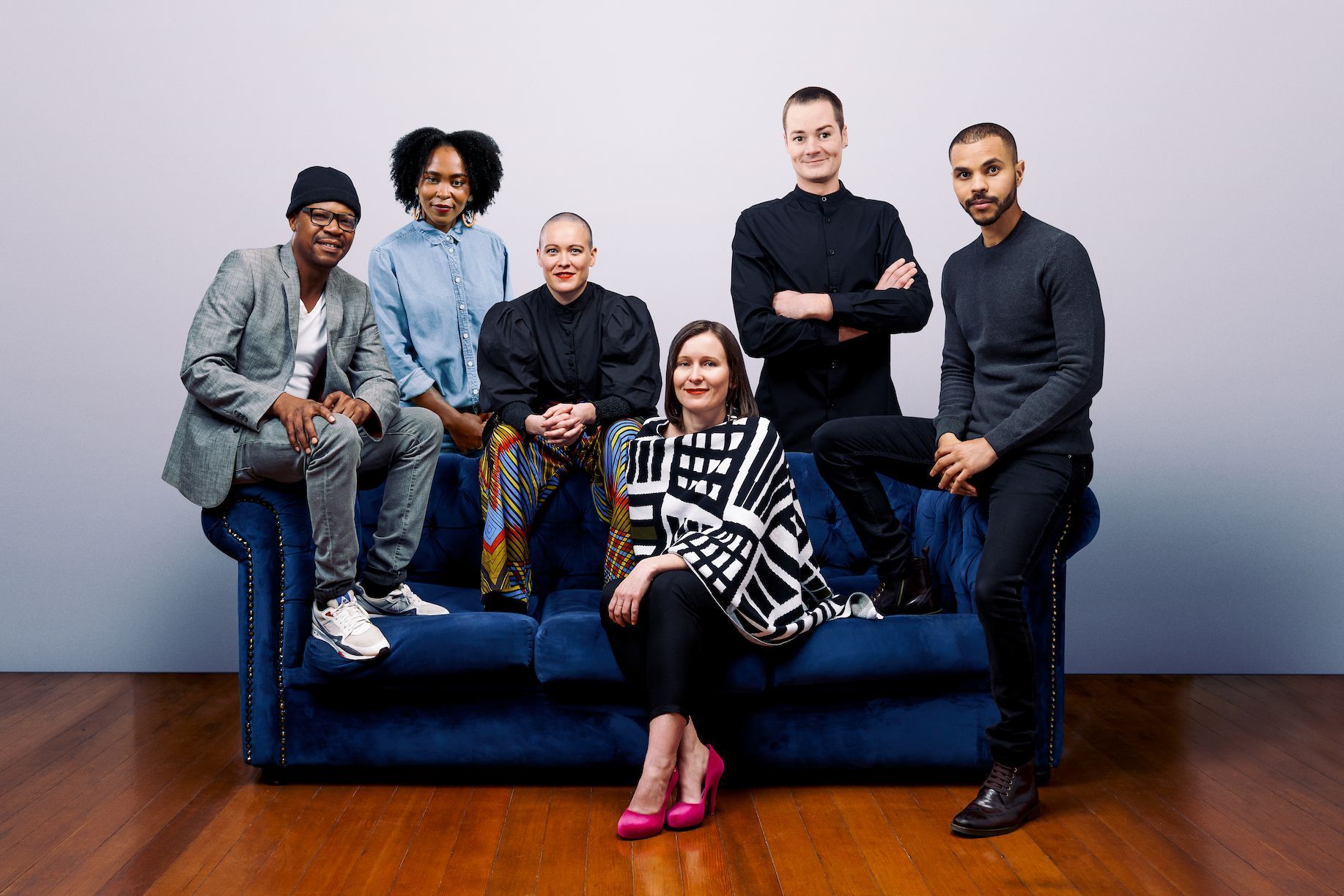
| The much anticipated works of the 2021 Standard Bank Young Artists, Buhlebezwe Siwani (Visual Art), Thando Doni (Theatre), Cara Stacey (Music), Vuma Levin (Jazz), Gavin Krastin (Performance Art) and Kristi-Leigh Gresse (Dance) will bring fresh perspectives from some of the country’s most innovative creatives. |
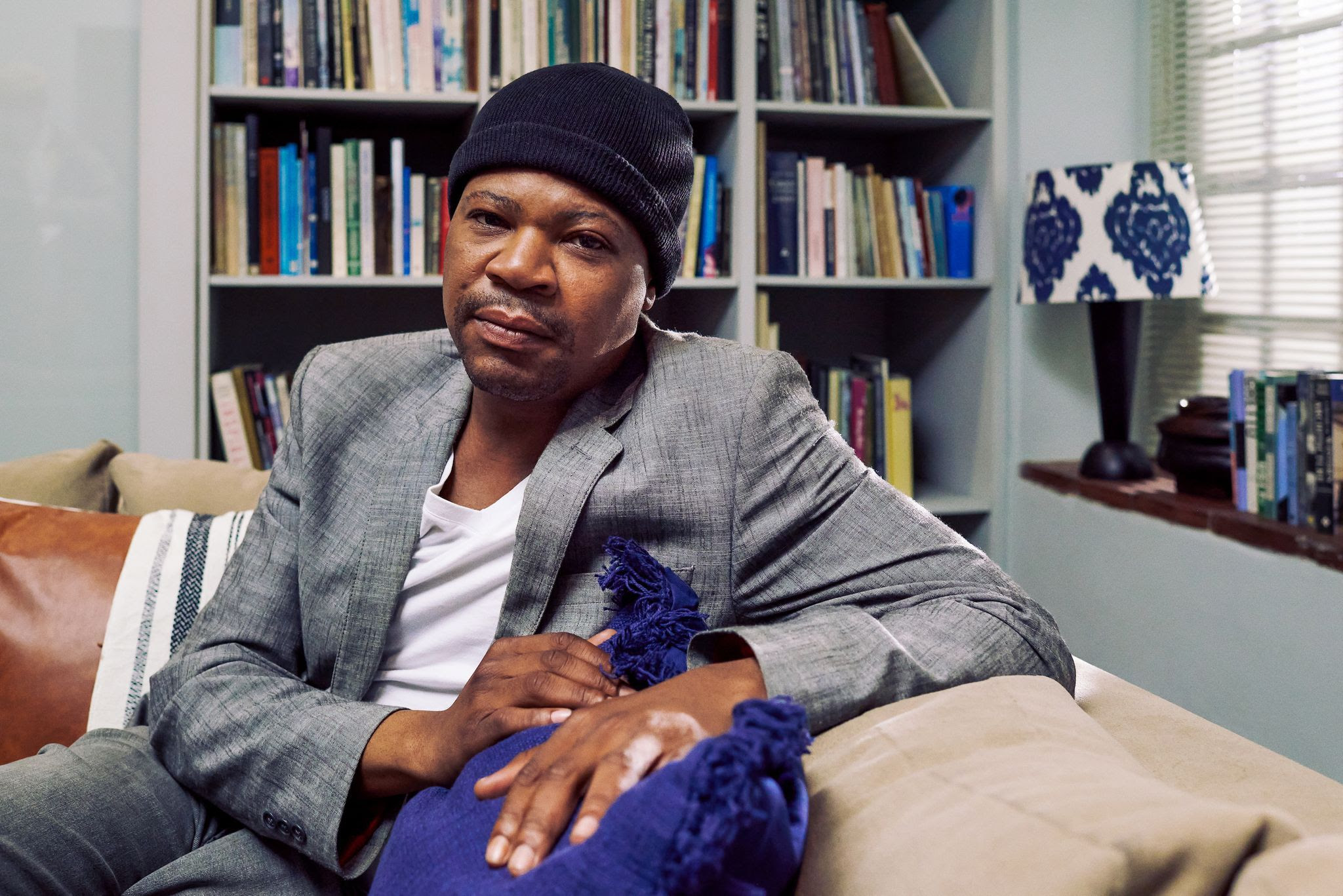
| 2021 Standard Bank Young Artist for Theatre, Thando Doni’s new work, Ngqawuse, questions the decisions of our past and how those decisions affect us today. The play is influenced by the story of Xhosa prophet, Nongqawuse, whose visions spurred the cattle killings of 1856/7 and resultant famine. Borrowing aesthetics from African ritual, music, song and dance, Ngqawuse’s story is one of love and sacrifice, doom and misery and asks questions of what we are left with, what to do with the untreated wounds of our history. |
| Gavin Krastin (2021 Standard Bank Young Artist for Performance Art), a resident of Makhanda, is known for creating collaborative opportunities for artists. He will stage 12 Labours, a reimagining of the Twelve Labours of Hercules, in which the conventional masculinities and heroism of old are localised and adapted into twelve acts focused on repairing and maintaining the infrastructure in Makhanda – acts of service as performance art. |

| With a title inspired by a phrase from the 1992 Brenda Fassie song iStraight Le Ndaba, Koleka Putuma’s poetry collection Hullo, Bu-bye, Koko, Come In has been adapted into a stage play of the same title in a multimedia exploration of poetry, sound, and projection mapping. The piece considers archives, names, lives and legacies of in/visibility, memory, and black women in performance. Created and performed by Koleka Putuma, the work will also feature visual design by Inka Kendzia and composition and sound design by Mr Sakitumi. |

| Sello Maake kaNcube makes a welcome return to the Festival, directing Bloke & His American Bantu. Written by the well known author and academic, Siphiwo Mahala, it’s a two-man play that reimagines the camaraderie between prominent intellectuals, Bloke Modisane and Langston Hughes, writers and activists from Sophiatown and Harlem (New York) respectively. Performed by the talented duo, Anele Nene (Bloke) and Josias Dos Moleele (Langston), the play shines the spotlight on the role of artists and intellectuals in forging international solidarity during one of the darkest hours in the history of South Africa. The Eastern Cape Philharmonic Orchestra will present Homeland, bringing together the talents of Tim Moloi, Gloria Bosman and Monde Msutwana to pay tribute to some of the greatest songs and song-writers from South Africa. Famous songs by Vusi Mahlasela, Alan Silinga, Johnny Clegg, Miriam Makeba, Brenda Fassie and Mafikizolo, are given a new life by the Orchestra and soloists, who will have you on your feet, dancing and singing along, as we move through the years re-visiting these great moments from our musical history. |
| Dance piece Mnquma, performed by Xolisile Bongwana, with additional choreography from David April, traces the quest of a man reconnecting to his roots and reclaiming the legacy of his ancestors. Mnquma is strongly associated with original music compositions by Bongwana, Elvis Sibeko and No-Finish, a traditional Xhosa musician who achieved much recognition throughout her lifetime and is regarded as the master of ‘uhadi’ music.Wezile Harmans’ performance, ‘We Regret to Inform You’, explores the notion of a ‘daily hustle’ against the backdrop of South Africa’s increasing unemployment rate. Seen through the stages of our personal vulnerability as individuals living without work, looking for work, getting work, fighting to keep work and losing the position that was supposed to give us stability in the face of disorienting bureaucracies. |

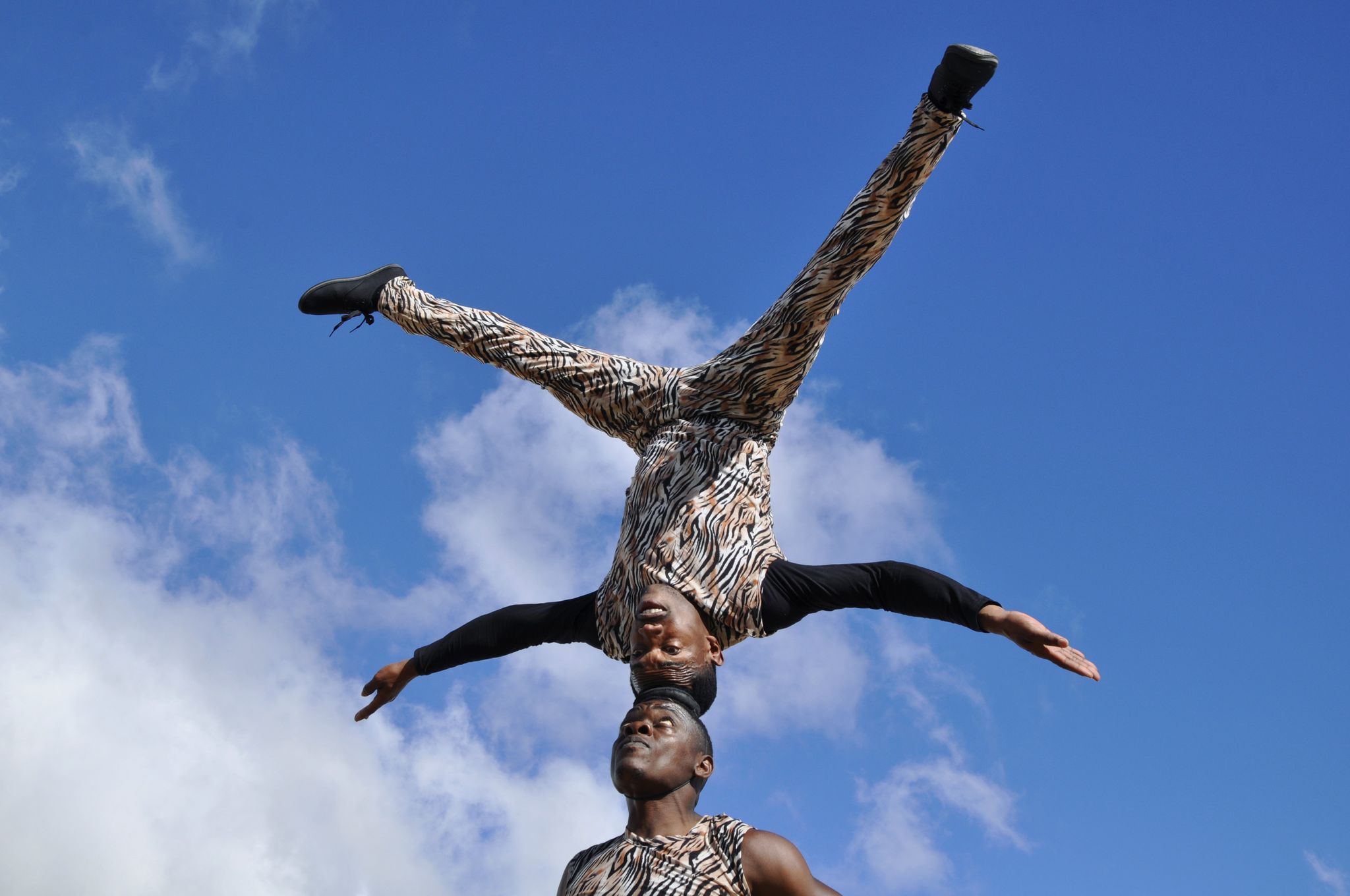
| Families can expect experiences suitable for children too, including Cirque du Soleil alumnus Daniel Buckland’s, Urban Circus – a love letter to the thrilling acrobatics of big city life. A talented troupe of Johannesburg’s hottest circus artists will take the audience on a wheel-spinning, nail-biting, day-dreaming escapade through the city. Urban Circus shows the City’s inhabitants as they try to strive, survive and thrive in a delicate and dextrous dance through the intoxicating frenzy of urban life. Little ones will be spellbound once again by the hugely popular free Children’s Concert, in which children are taught the names, sounds and roles of instruments in a fun, interactive way. The Festival will also present a programme of comedy and music as well as a professional programme for artists to reconnect and engage on a number of topics. International producers have been invited to the Festival and will be scouting for work to present on stages and at festivals abroad. More details of these, and other events and shows at the 2022 National Arts Festival will be released soon, with the full programme being revealed on 3 May 2022. Visitors are advised to go to Makana Tourism, various booking agents and online aggregators to book their accommodation soonest. Festival-goers also have the opportunity of adding on some time exploring the Eastern Cape. For more details on where to stay and what to do in the province go to https://visiteasterncape.co.zaThe full programme and ticket sales will be available online at www.nationalartsfestival.co.za from 3 May 2022. |

Fourteen arrested as Eskom, SAPS,Hawks swoop on a cable theft syndicate
March 9, 2022Fourteen suspects involved in cable theft incidents, including a scrap metal dealer, were arrested on Tuesday when a team comprising the Vosman South African Police Service, the Hawks and Eskom Investigators, swooped on multiple premises in Vosman outside the township of KwaGuqa in Mpumalanga.
A large volume of stolen cables, comprising of aluminium and copper, was found stored on several of the premises. A criminal case has been opened against the perpetrators, including the scrap dealer and some of the security personnel and more arrests are likely to follow.
In the past week, Eskom experienced several theft and vandalism incidents on the 400kV Vulcan Transmission line in the region. The repeated crime incidents contributed to Eskom having to declare a ‘major incident’, as a result of the extensive damage, loss of supply to thousands of customers and increased safety risks. Towers on the line were twisted and severely damaged and the roads in the region were also blocked with the fallen electrical lines, which also put lives in danger.
Following intensive investigations, the joint SAPS/Eskom team visited an unscrupulous scrap metal dealer in eMalahleni. Large amounts of copper cables were found loaded on a truck that was ready to off-load at the facility. The truck driver was arrested. He pointed out a residential property in Vosman where he had collected the stolen cables earlier. More copper cables were found at the premises, all of which was prepared and ready for shipment.
Further investigations revealed that some security personnel deployed to protect the Eskom line were also involved with the syndicate.
“Cable theft continuously affects business operations and hamper the provision of basic essential services to industry and to communities,” said Advocate Karen Pillay, Eskom’s Head of Security. Between the various State- owned companies, namely Eskom, Transnet, PRASA and Telkom combined, the direct losses incurred culminate to more than R7 billion a year. The knock-on loss to the economy is estimated at R187 billion.
“Such levels of criminality undermine the ability of the State-owned companies to deliver the much-needed services such as electricity, rail, communications and other critical infrastructure,” said Adv Pillay. “This exacerbates localised power cuts and the implementation of loadshedding. This poses a significant and direct impact on the recovery of the South African economy.”
“This is economic sabotage of the highest degree; and the perpetrators of such crimes must be brought to book and dealt the full might of the law. Customers pay the price for such crimes through increased tariffs. We shall pursue the investigations together with the Hawks and shall intensify operations against the syndicates, ensuring that they are disrupted,” said Calib Cassim, Eskom’s acting Chief Executive Officer. “We shall assist the Hawks in tracing every individual who participates in the criminal enterprise and ensure prosecution.”
Eskom urges all scrap metal dealers, foundries and smelters to refrain from buying stolen cables. The members of the public are encouraged to report any suspicious activities to the Eskom Crime Line number: 0800 11 27 22 or to call the Crime Stop Hotline on 086 00 10111.
Check your firebreak
March 7, 2022By Sue Maclennan
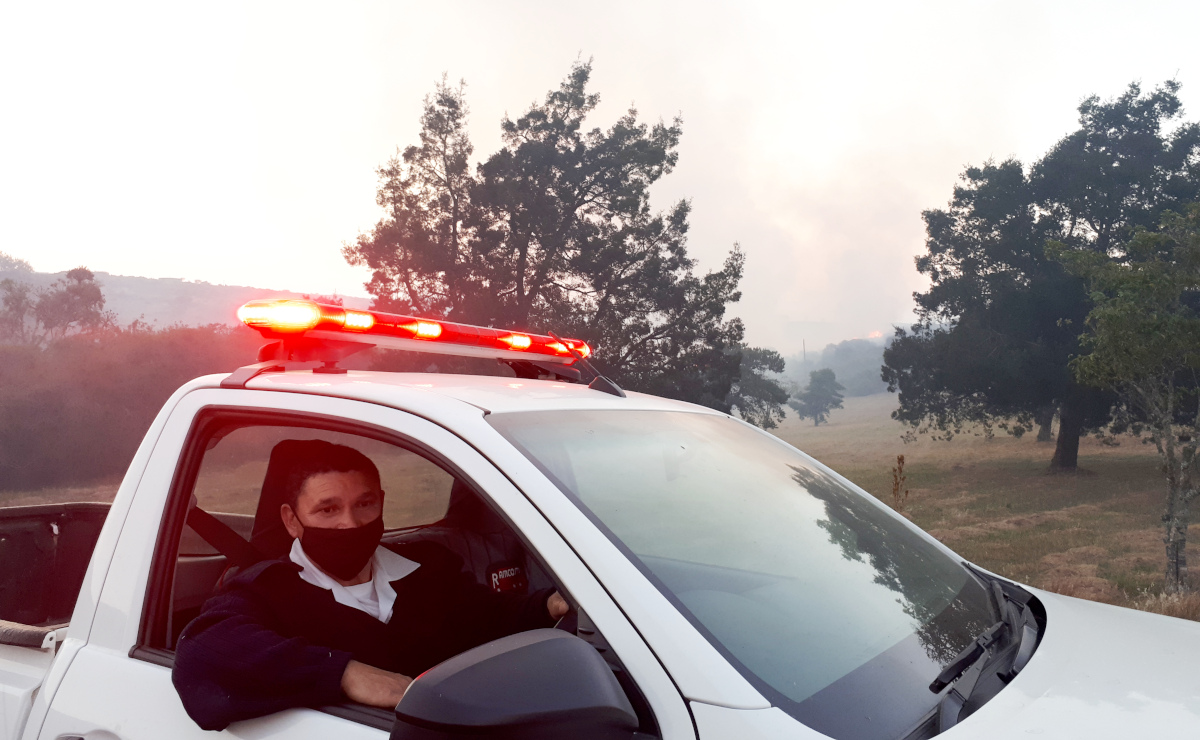
Makana Fire Services has attended to 40 small to medium size veld fires during the past 12 months. Smoking, the burning of electrical wires to extract copper, and sparking overhead power cables are the likely causes of most. As Working on Fire warns of increased fire risk globally, SmilingSouth asked Makana Fire Services Manager William Welkom for local stats and advice.
Eight of the world’s worst wildfire weather years on record happened in the past decade, and that it will only get worse, according to Managing Director of Working on Fire (WoF), Trevor Abrahams.
“Climate and environmental changes are causing a global increase in wildfires, of which some have the propensity to become large scale disasters,” he said in a WoF media release this week.
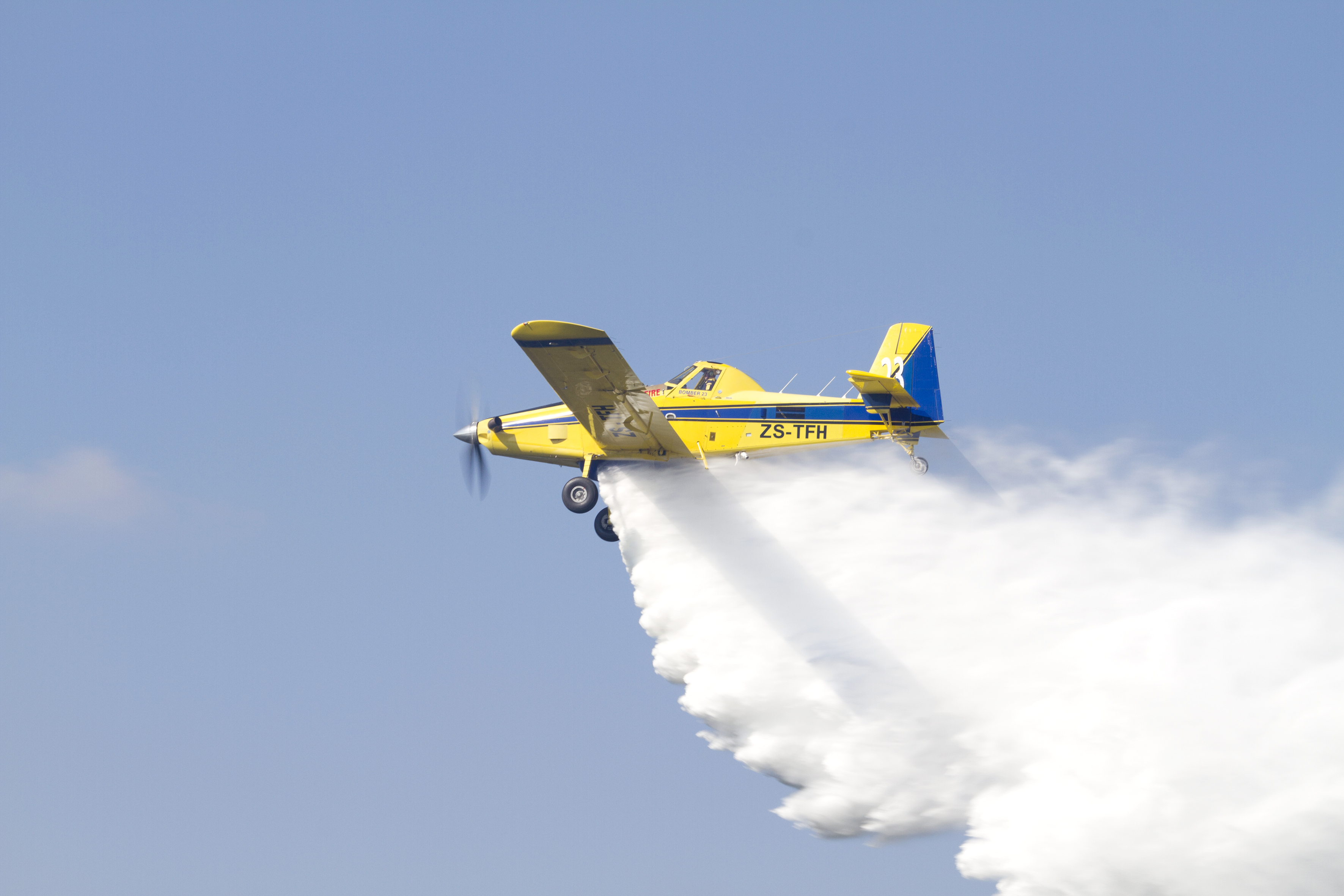
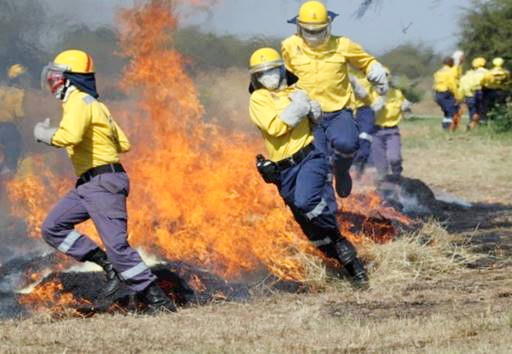
One of the tools to tackle this is the practice of integrated fire management (IFM), developed by Kishugu, Working on Fire’s implementing agent, Abrahams said. At a national level, this incorporates aircraft, vehicles, pilots, firefighters, incident management teams, equipment and tools.
But what kinds of resources are available to Makana’s fire fighting teams?
“Makana Fire Services falls under the Sarah Baartman East Fire Protection Association,” said Welkom. “Working on Fire has a base in Port Alfred and can be called upon to assist when required, through the Sarah Baartman District Municipality (SBDM) Disaster Management Centre.
“A contingency plan is also in place.”
Preventative measures to counter the start and spread of fire is core to Kishugu’s integrated fire management system.
Applying that locally, fire breaks are an important safeguard and Makana Fire Services advises land owners to create fire breaks around their properties.
“Controlled burning permits are issued to land owners,” Welkom said. To obtain a Controlled Burning Permit, land owners should contact Makana’s Fire Service Manager, or the Station Commander.
Makana has a winter fire season, from July to October.
The Department of Forestry, Fisheries and the Environment’s Working for Water programme has played an important role in reducing the risk of intense fires around Makhanda by clearing large numbers of invasive aliens from the surrounding hills. Pine and eucalyptus, in particular, burn easily and intensely.
“The Working for Water team is still active in Makana,” Welkom said.
Makana Fire Services has a direct link with Kishugu through the Port Alfred Working on Fire base.
The organisation provides integrated fire management services to government, environmental and military agencies, forestry and agricultural companies to land users, NGOs, national and multinational development agencies, industry associations and Fire Protection Associations (FPAs).
Quoted in a media release from Working on Fire, Kishugu CEO, Emile Grobbelaar, said, “Maintaining an 80% proactive focus takes planning, collaboration and dedication with all our partners in the provinces. Fires don’t respect cadastral boundaries, and IFM shouldn’t either.”
Kishugu and Working on Fire are frequently called to provide wildfire management capacity and skills in other parts of the world.
PREVENT FIRES IN MAKANA
Fire Services Manager William Welkom offers these tips for keeping your community safer from fires that start outdoors:
- If you’re a land owner, make sure there’s a fire break around your property.
- Don’t start unnecessary fires that can spread.
- Burn household refuse in a metal container (drum) instead of in an open space, where a fire is more likely to spread, and always be aware of your surroundings.
- If you notice a fire starting, please report it immediately to the Fire Department at (toll-free) 080 111 4444 or 046 622 4444.
- Controlled Burning Permits are issued on application by the Fire Department – check daily weather conditions before starting a controlled burn and don’t do a controlled burn on a windy day.
Makana still ahead of EC vax pack
March 5, 2022By Sue Maclennan
With 48 432 people fully vaccinated for Covid-19 through its public and private health services, Makana remains well ahead of other Eastern Cape local municipalities and metros – at least percentage-wise. The statistics come as Rhodes University goes ahead with its policy that staff, students and service providers must be vaccinated to access the campus, and as Wits University Vaccinology Professor Shabir Madhi confirms that a turning point has been reached in the pandemic.
A total of 63 910 people must be vaccinated for the Makana municipal area to achieve its targeted coverage. According to the Department of Health, as of 1 March, Makana was 76% of the way to that coverage. Makana Municipality includes Makhanda, Alicedale, Riebeeck East, Salem, Seven Fountains and Fort Brown. Neighbouring Ndlambe, has achieved 31% coverage of its 54 473 target population to date.
The Sarah Baartman District as a whole has so far achieved a 46% vaccination rate. Closest to Makana percentage-wise is Nelson Mandela Bay Metro at 60% – but with a target population of 380 454, nearly six times bigger.
The numbers come from the Department of Health’s records as of 1 March 2022.
In October, the World Health Organization set a target for countries to vaccinate 70% of their populations by mid-2022. According to Covidvax.live 17 389 328 South Africans, or 28.96%, were fully vaccinated by 5 March 2022.
This week, Shabir Madhi, Professor of Vaccinology at University of the Witwatersrand and Director of the South Africa Medical Research Council Vaccines and Infectious Diseases Analytics Research Unit, says South Africa has reached a turning point in the pandemic.
The article published in The Conversation says new research on seroprevalence (Covid-19 antibody levels), hospitalization and excess deaths attributable to Covid-19, indicate that South Africa is moving into the recovery phase of the pandemic. In order to continue on this trajectory, Madhi says, vaccine coverage must be enhanced, primarily focusing on high-risk groups.
Earlier this week, an application for an urgent high court interdict to stop the implementation of Rhodes University’s mandatory Covid-19 vaccine policy was struck off the roll with costs.
Church leader speaks out against Ukraine war
March 4, 2022By Sue Maclennan
“The government of Putin is not Mikhail Gorbachev’s government that helped us.”
Archbishop Nkosinathi Ngesi, of the Ethiopian Episcopal Church, has put his weight behind growing outrage at the war in Ukraine that has in the past two weeks seen more than 100 civilian deaths reported, including 13 children.
Ngesi, who is a former military chaplain, said, “This Russia is not the government that helped us in our fight against apartheid, when we sent our soldiers to be trained there.
“This Russia is there for nuclear resources, and for Ukraine’s oil and gas.
“Our government must call on Putin’s government to withdraw his forces, and stop killing the people of Ukraine,” Ngesi said. “Our government is wrong to keep quiet and we are disappointed that they abstained in the United Nations vote calling on Russia to withdraw.”
On Wednesday, 141 of the United Nations’ 193 members voted in favour of a resolution demanding that Russia “immediately, completely and unconditionally withdraw all of its military forces from the territory of Ukraine within its internationally recognised borders”.
The voting concluded a special emergency session of the General Assembly that began on Monday.
Five countries – Belarus, the Democratic People’s Republic of Korea (“North Korea”) Eritrea, Russia and Syria – voted against it. South Africa was one of 35 that abstained.
“Our government did not read the mood of South Africans when they did this,” Ngesi said. “They did not represent us when they abstained.”
On Tuesday, the South African Council of Churches (SACC) issued a statement supporting proposed mediation by Pope Francis “for lasting peace and security between Russia and Ukraine”.
The SACC, in its statement, urged Christians to observe the Ash Wednesday fast and “take time praying for peace and the success of the efforts for an unconditional ceasefire, earnest negotiations for guarantees of lasting peace and security for both Ukraine and Russia, for the wellbeing and prosperity of God’s people in both countries”.
Archbishop Ngesi said he supported the SACC’s statement, but went further.
“The South African government must call on Putin to withdraw his forces and stop killing the people of Ukraine. Our government is wrong in keeping quiet because at the end of the day, the people of Ukraine will judge us by our response.”
On Friday, International Relations and Cooperation Minister Naledi Pandor, said, “South Africa is continuing to encourage all the parties, through quiet diplomacy, within all relevant international mechanisms, such as the United Nations (UN) including Brics, to strengthen all diplomatic efforts to avoid an escalation of tensions, and work towards an inclusive, sustainable and peaceful solution based on cooperation and dialogue.”
Pandor said this, IOL reported, in reply to a written question in Parliament from the IFP’s Mkhuleko Hlengwa.
Archbishop Ngesi is a member of a group calling themselves the Makhanda Legends which protested outside the Makhanda City Hall against alleged corruption in Makana Municipality in 2020. They aligned themselves with the SACC’s 2020 anti-corruption campaign. Ngesi condemned malfeasance in municipalities across the province.
The Ethiopian Episcopal Church had its origins in 1899 under theologian James Mata Dwane. Today it has 87 branches throughout South Africa, in every province, with a membership of around 2 million. An affiliate of the South African Council of Churches, its head office is in Makhanda and Archbishop Nkosinathi Ngesi is its leader.
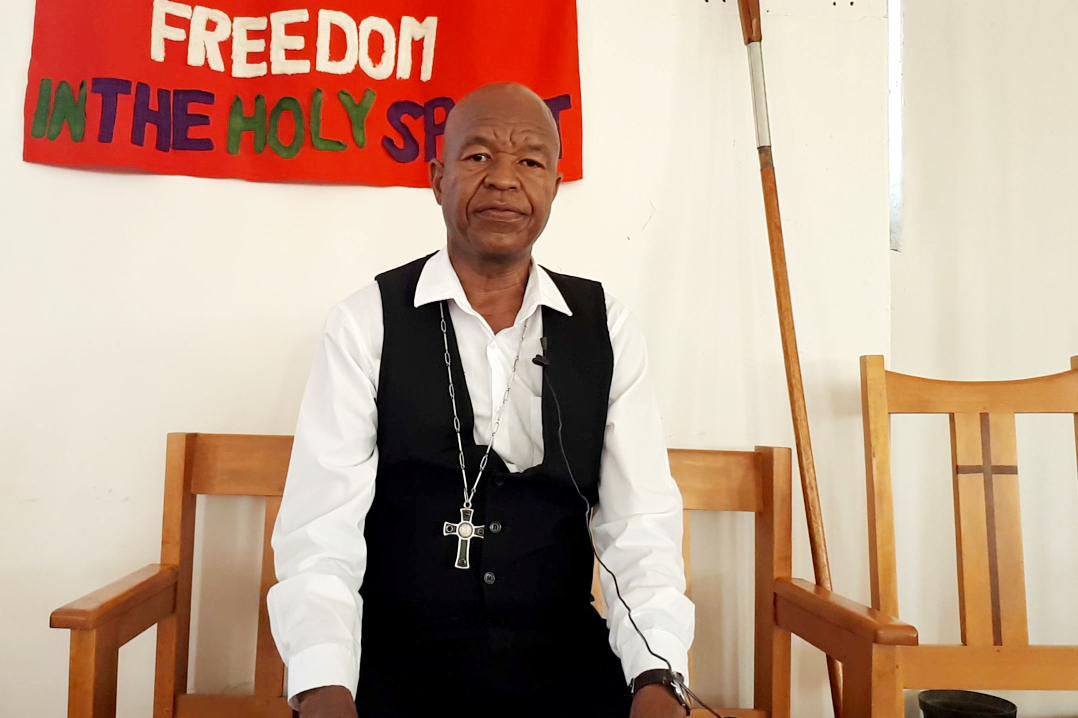
Archbishop Nkosinathi Ngesi of the Ethiopian Episcopal Church has criticised the South African government’s response to the crisis in Ukraine. Photo: Sue Maclennan
Makhanda magic
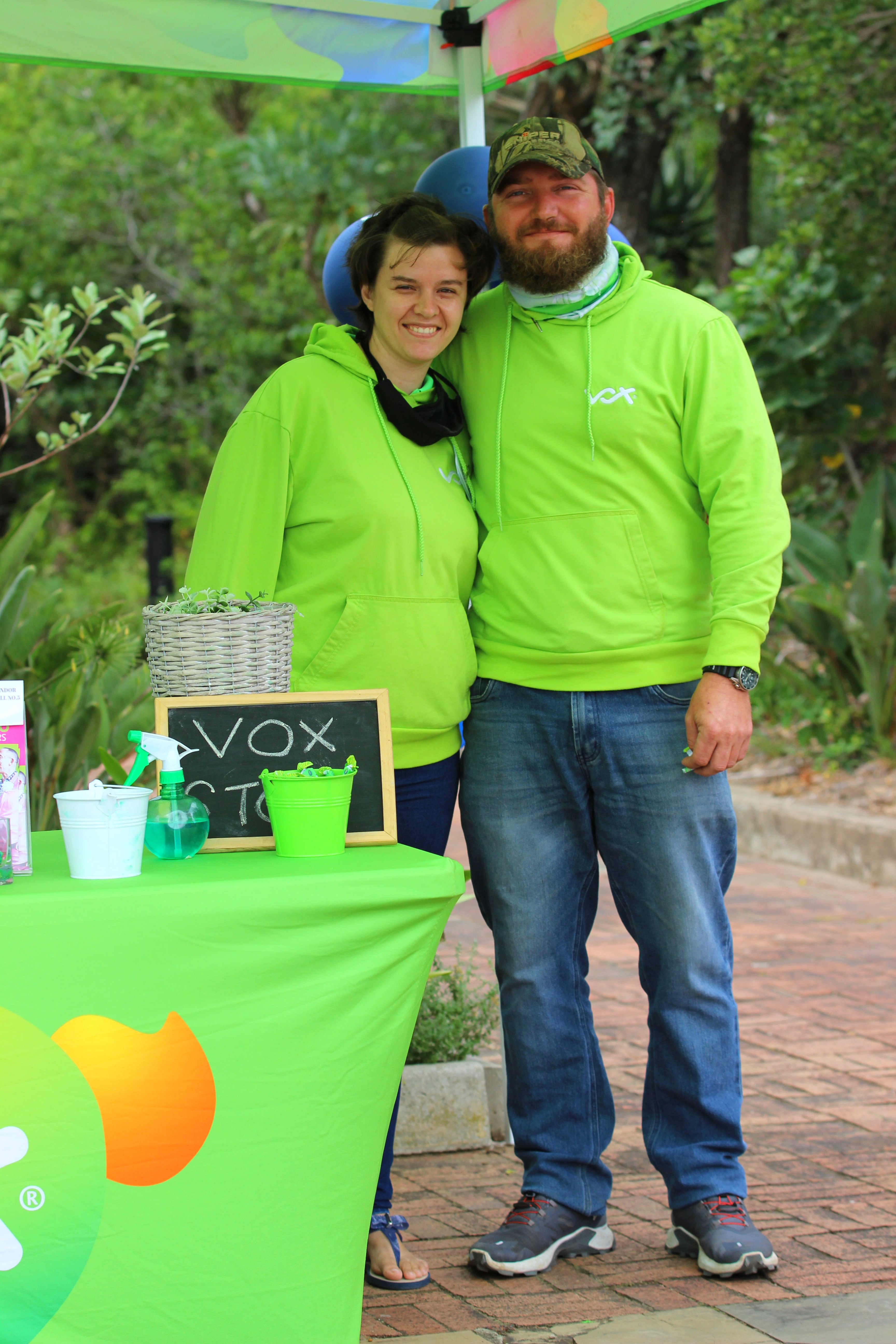
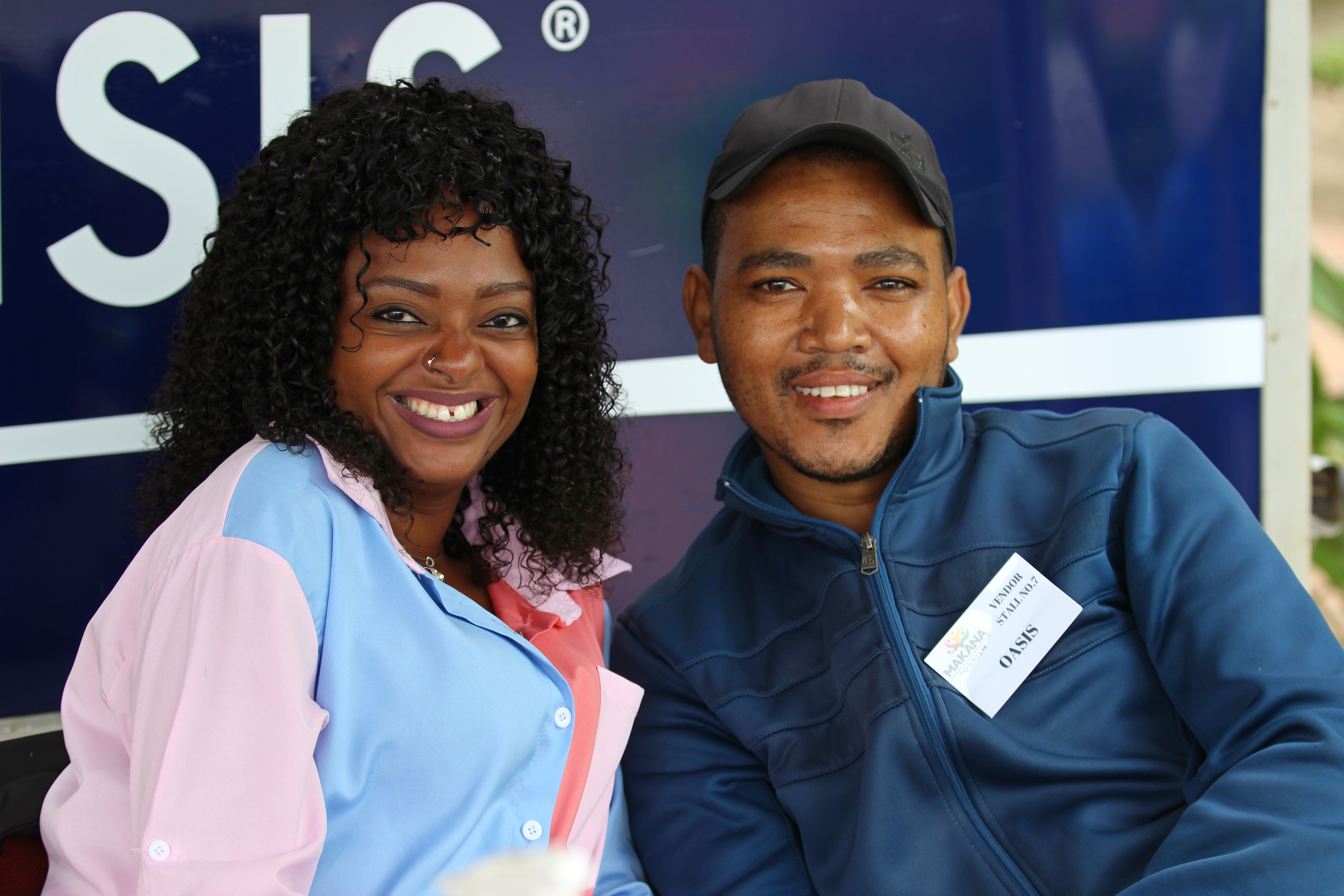
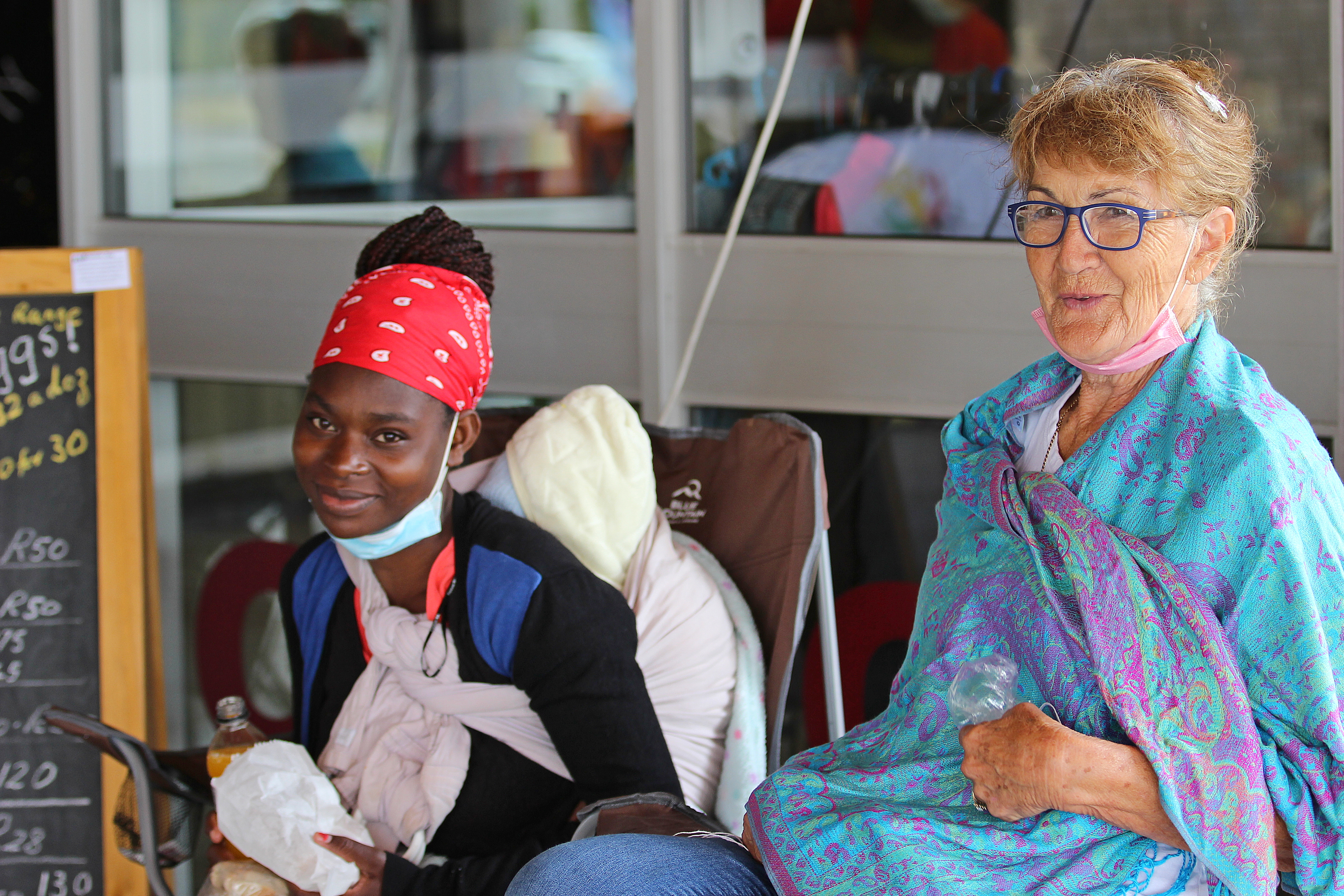
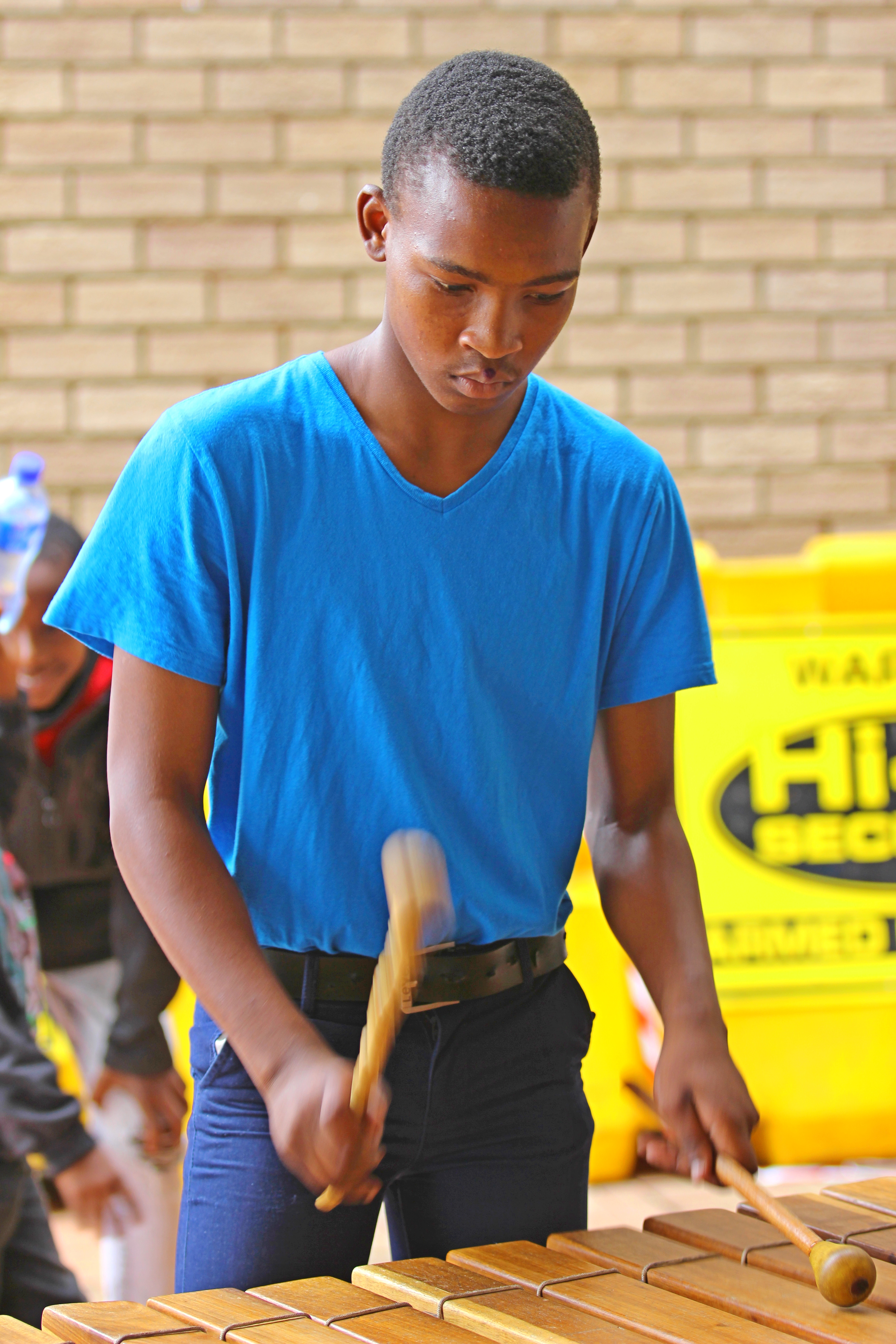
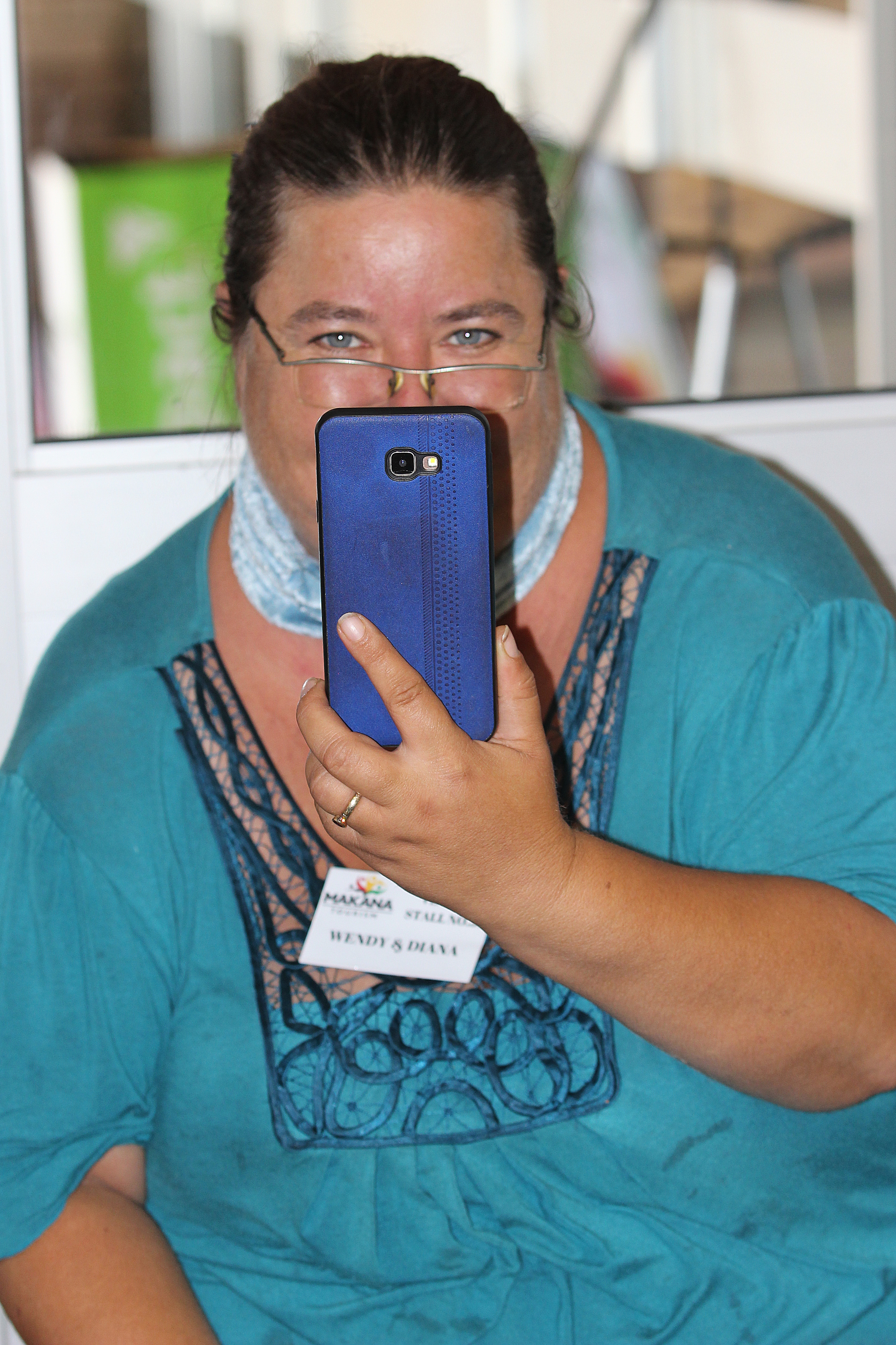
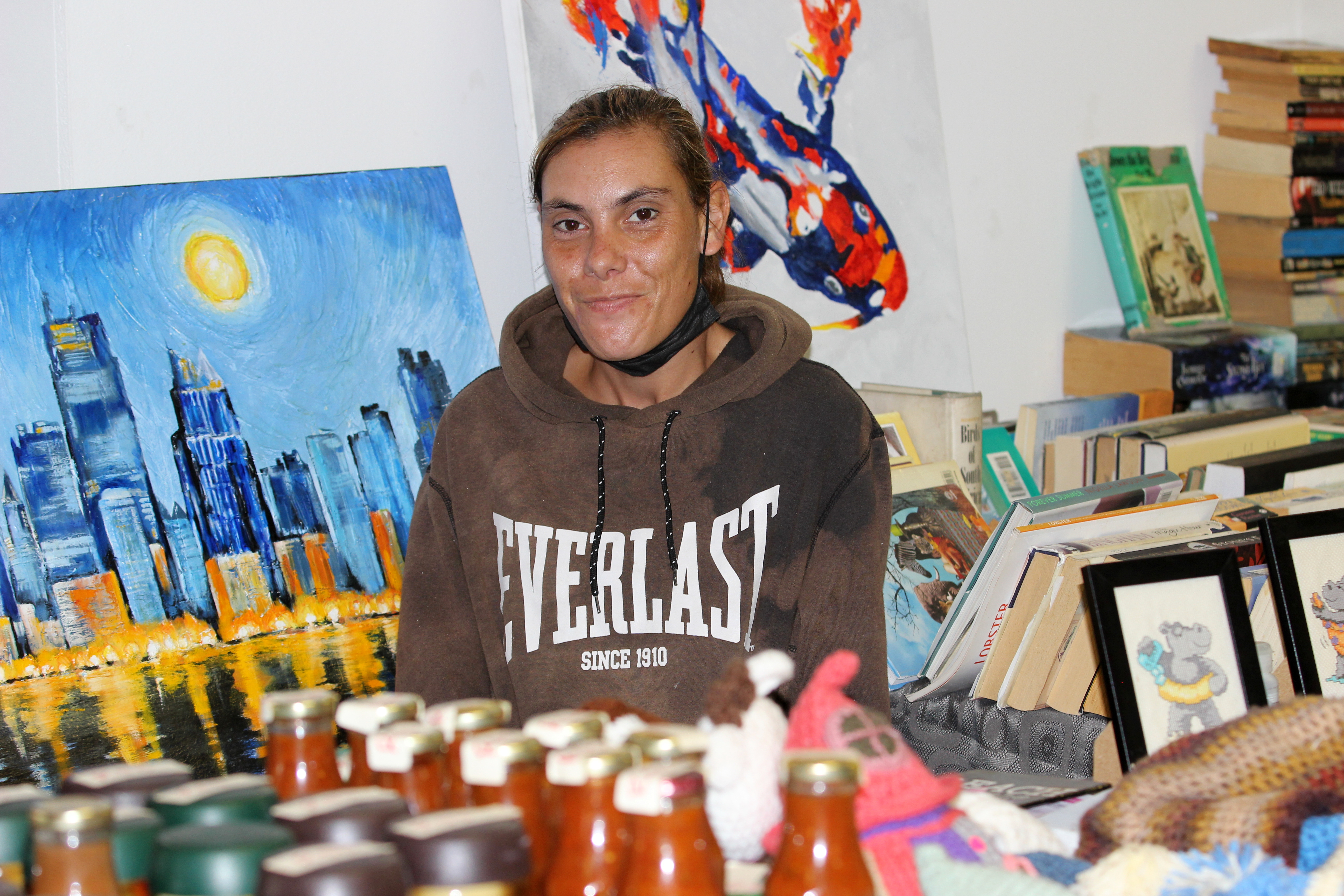
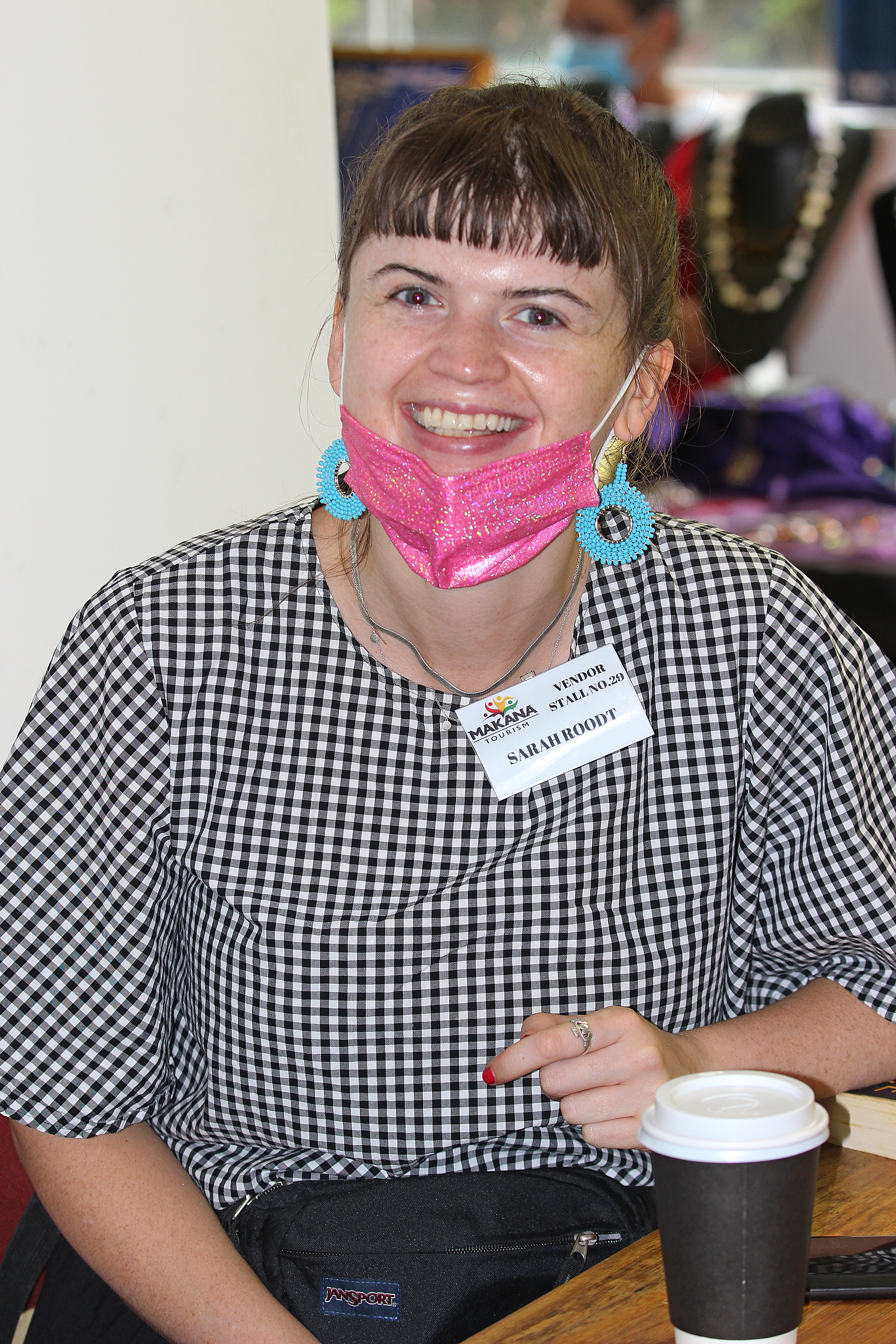
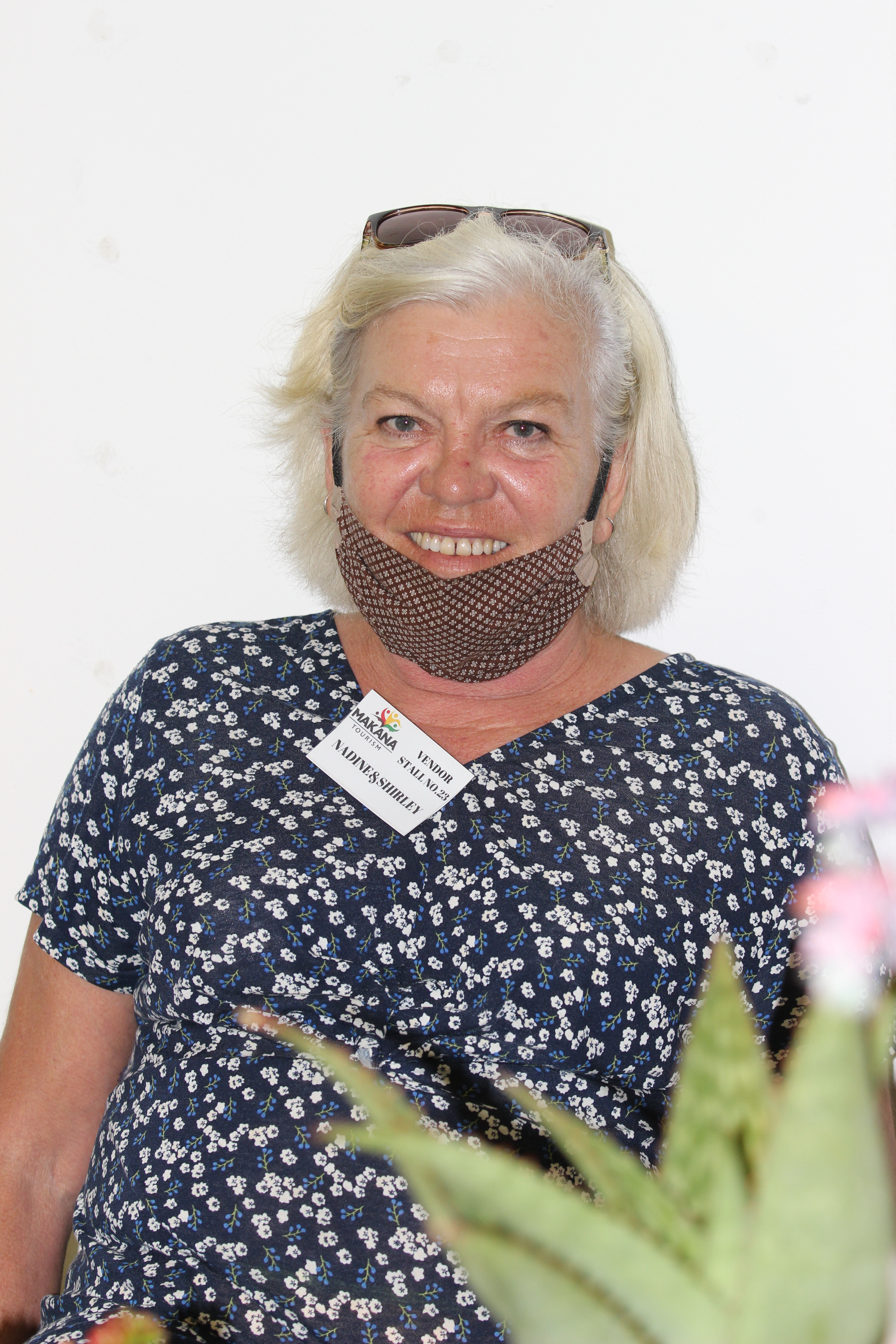
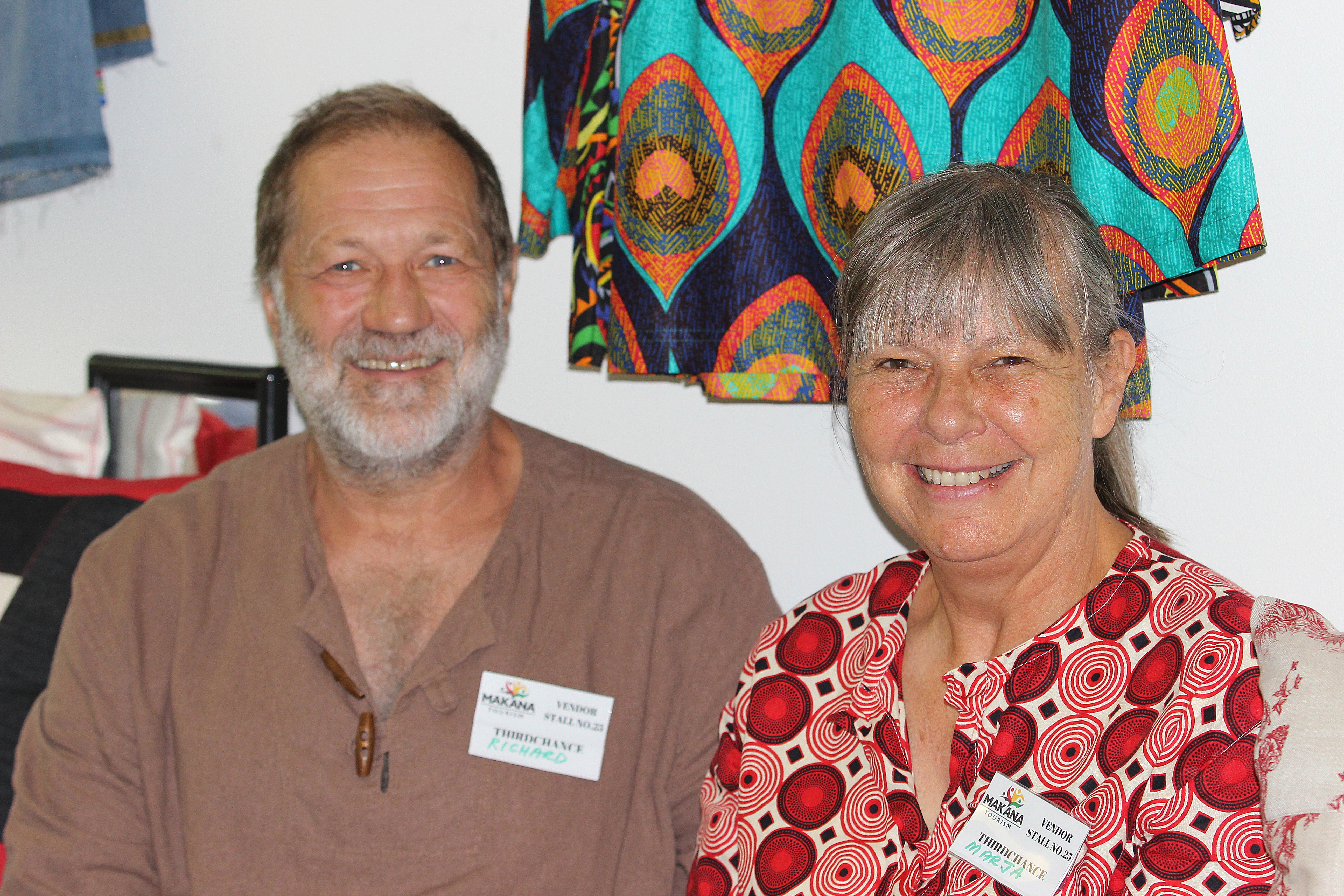
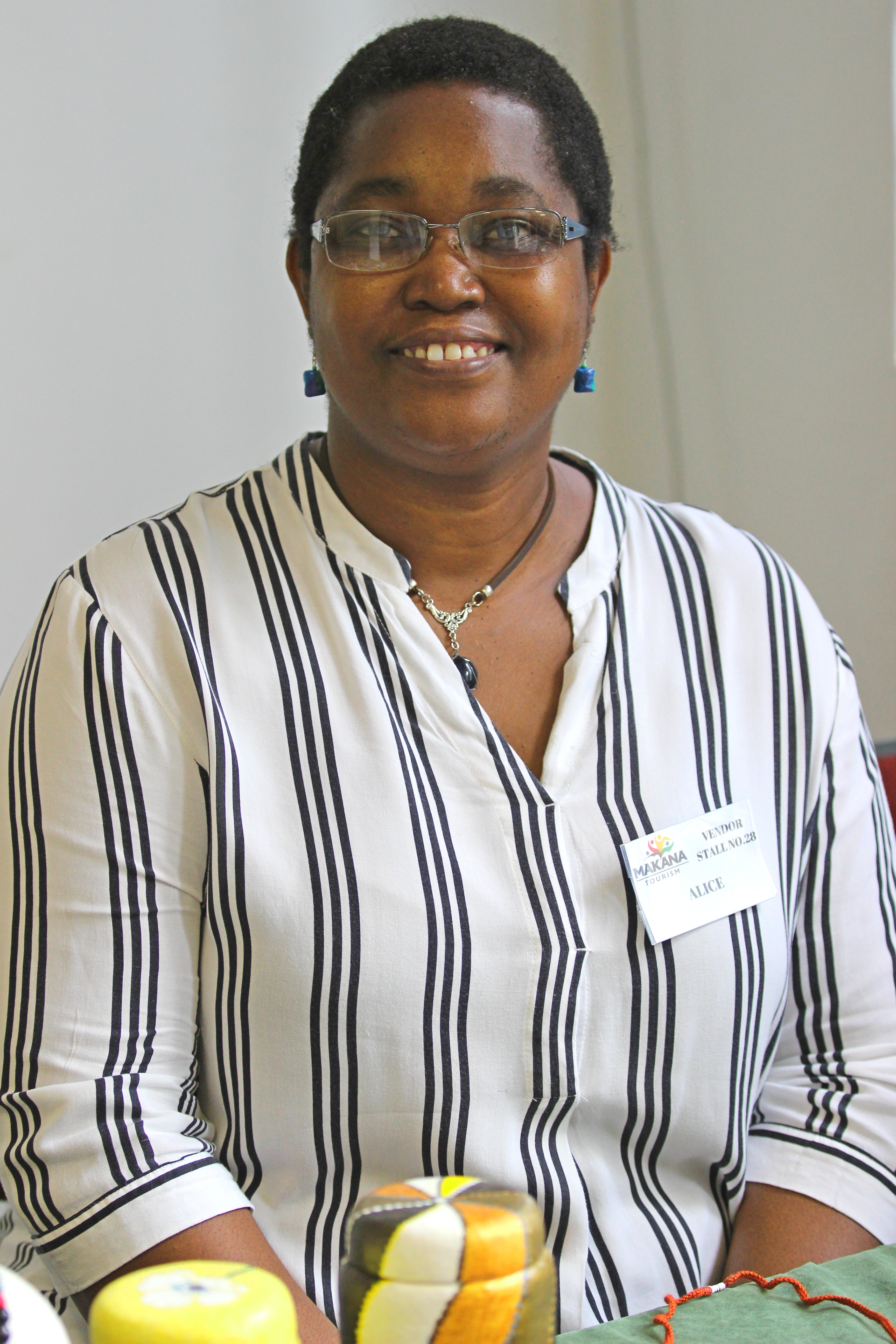
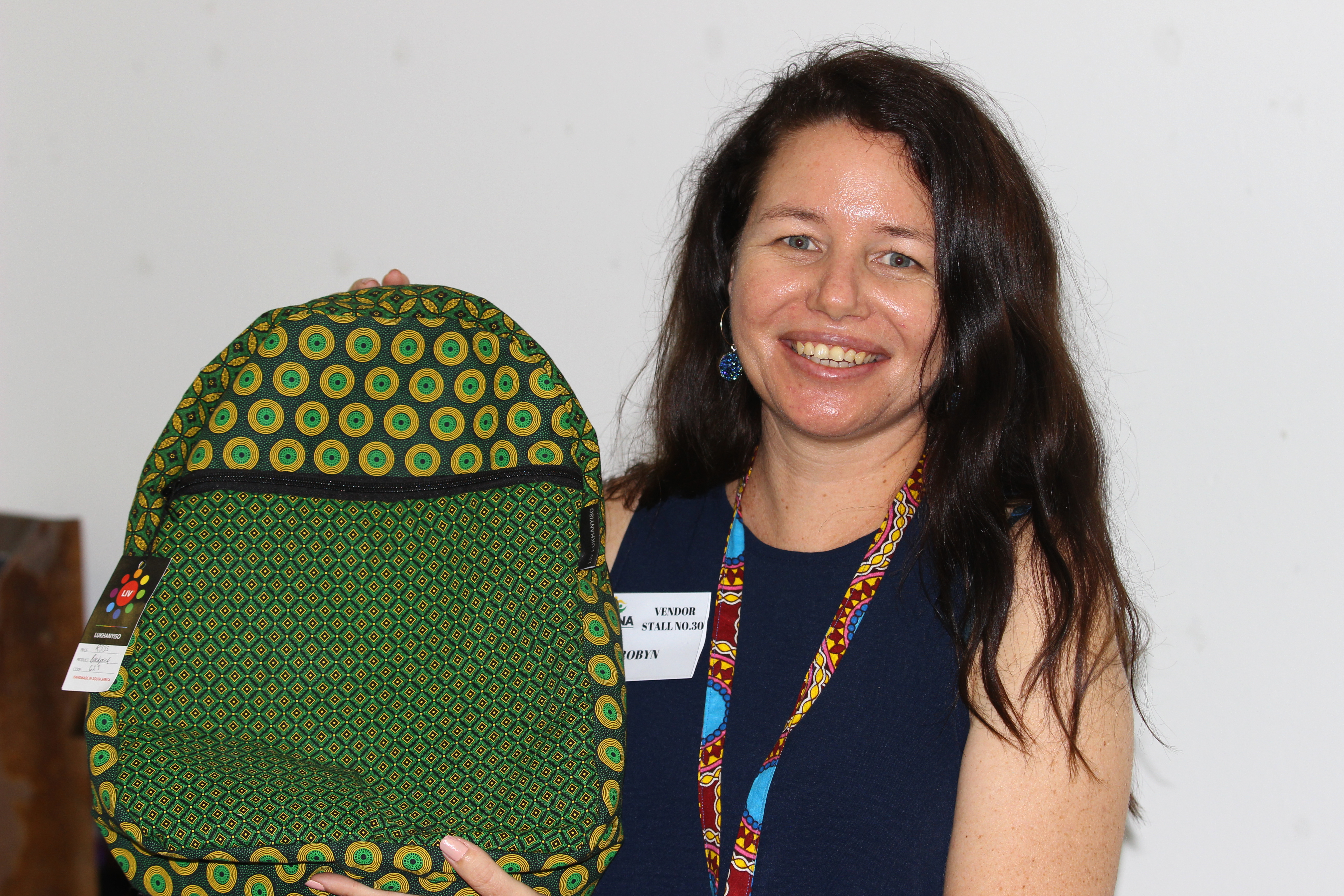
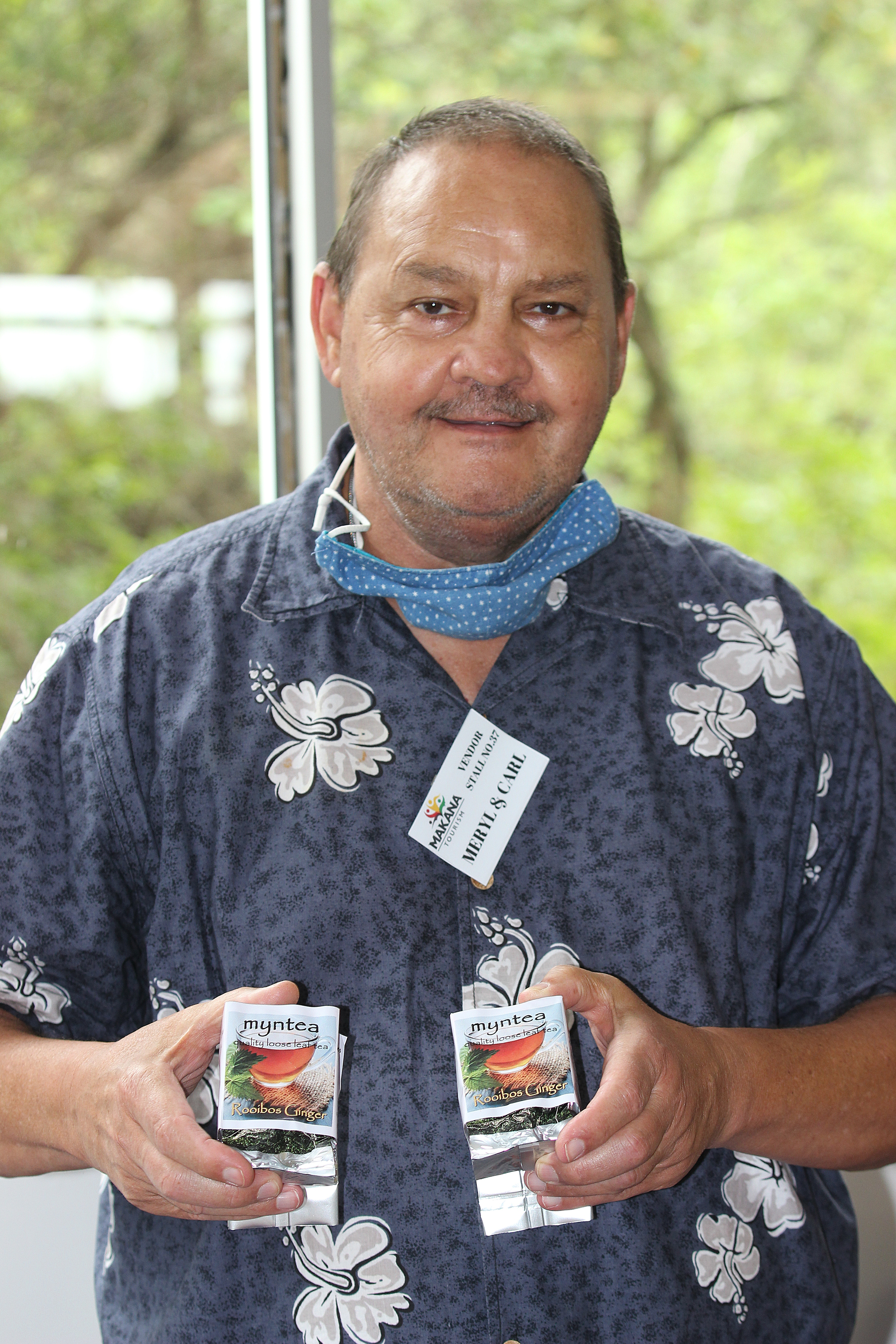
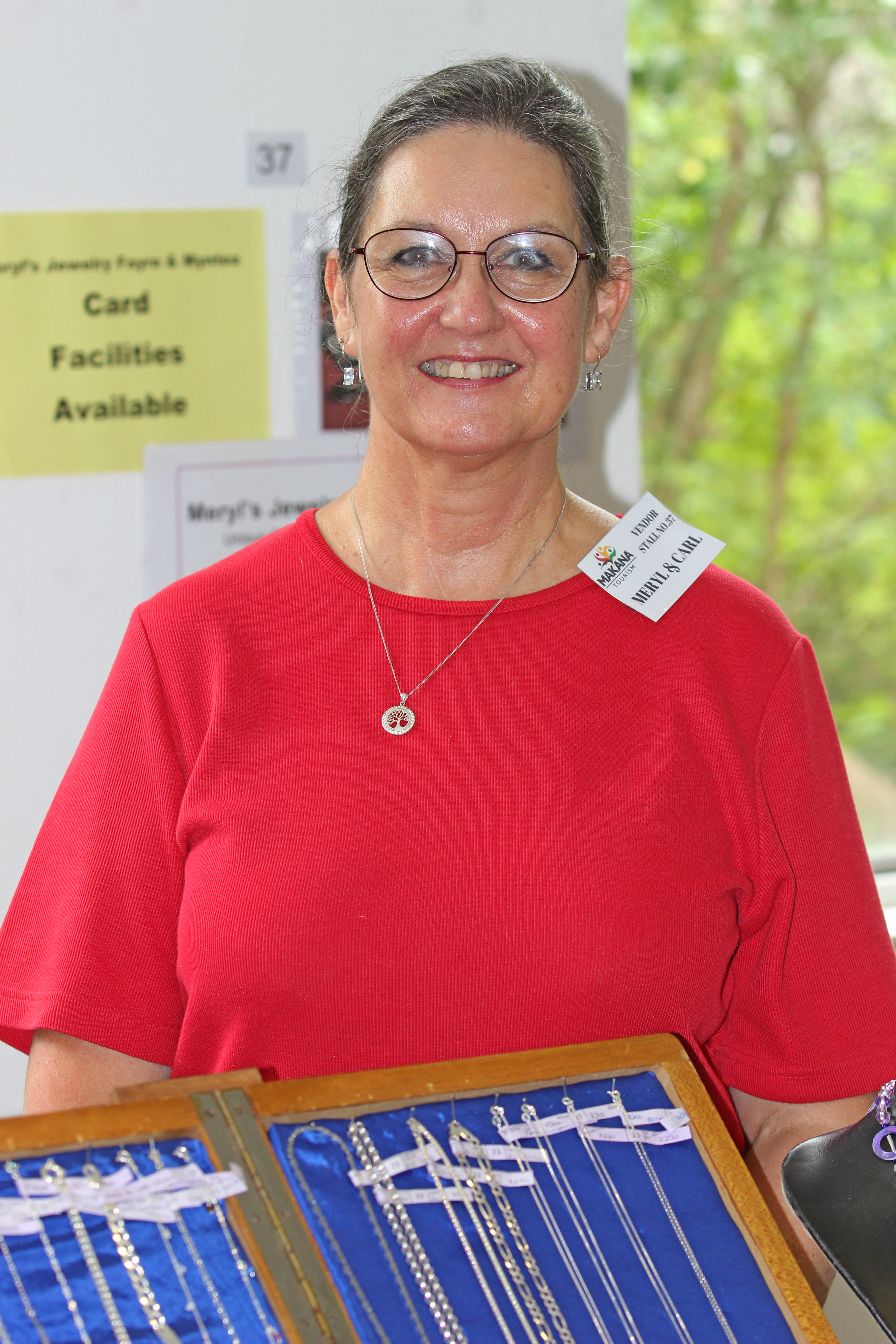
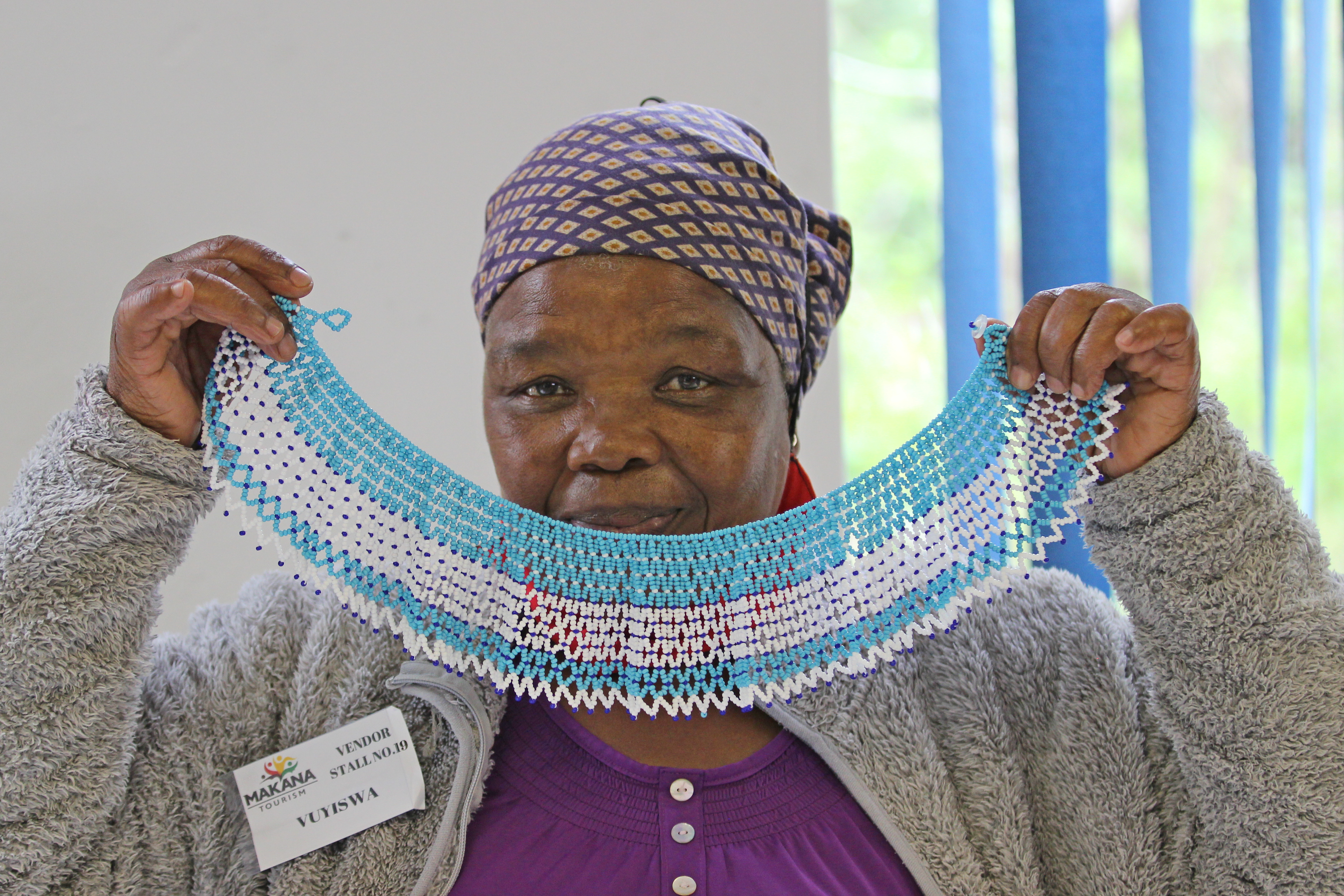
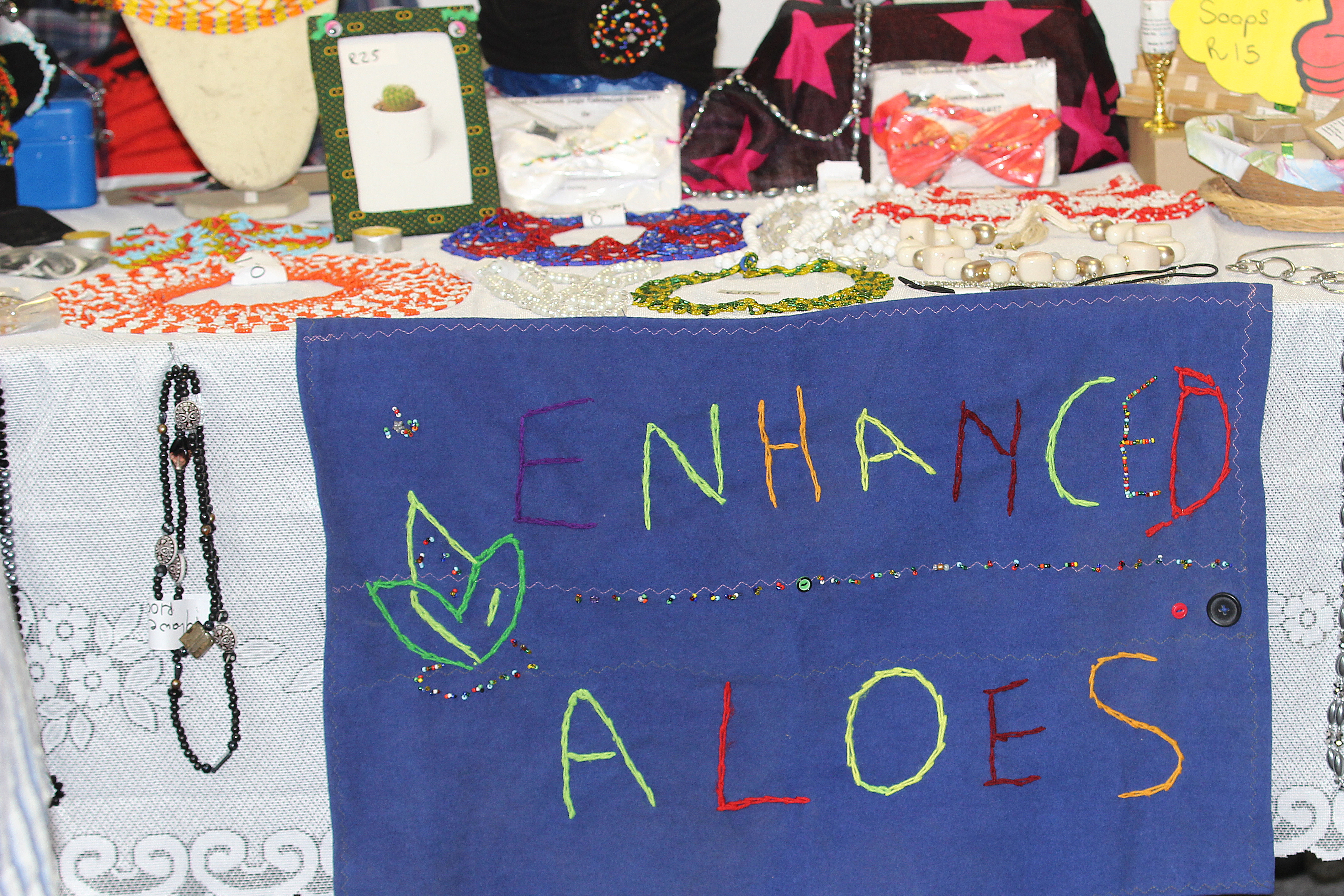
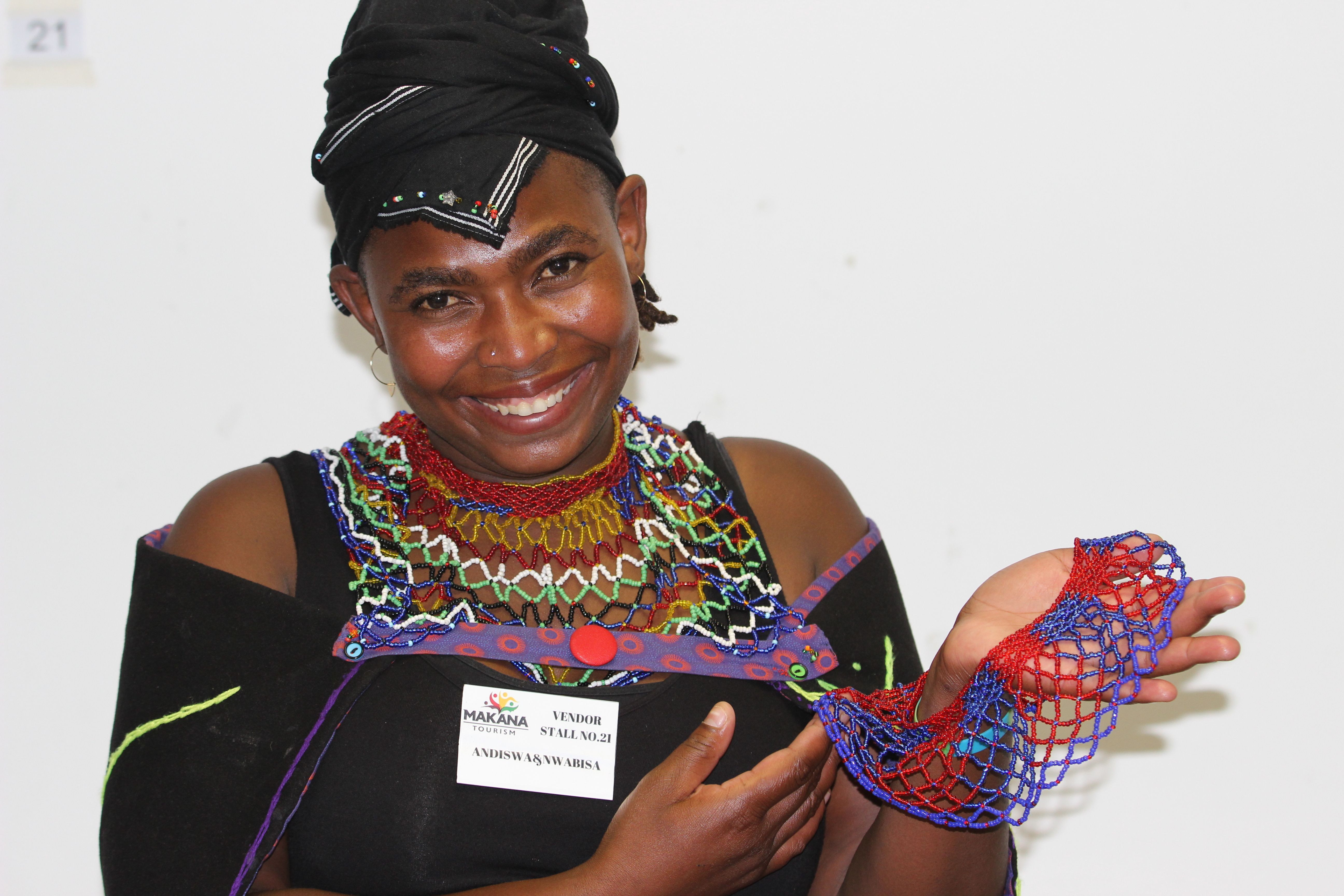
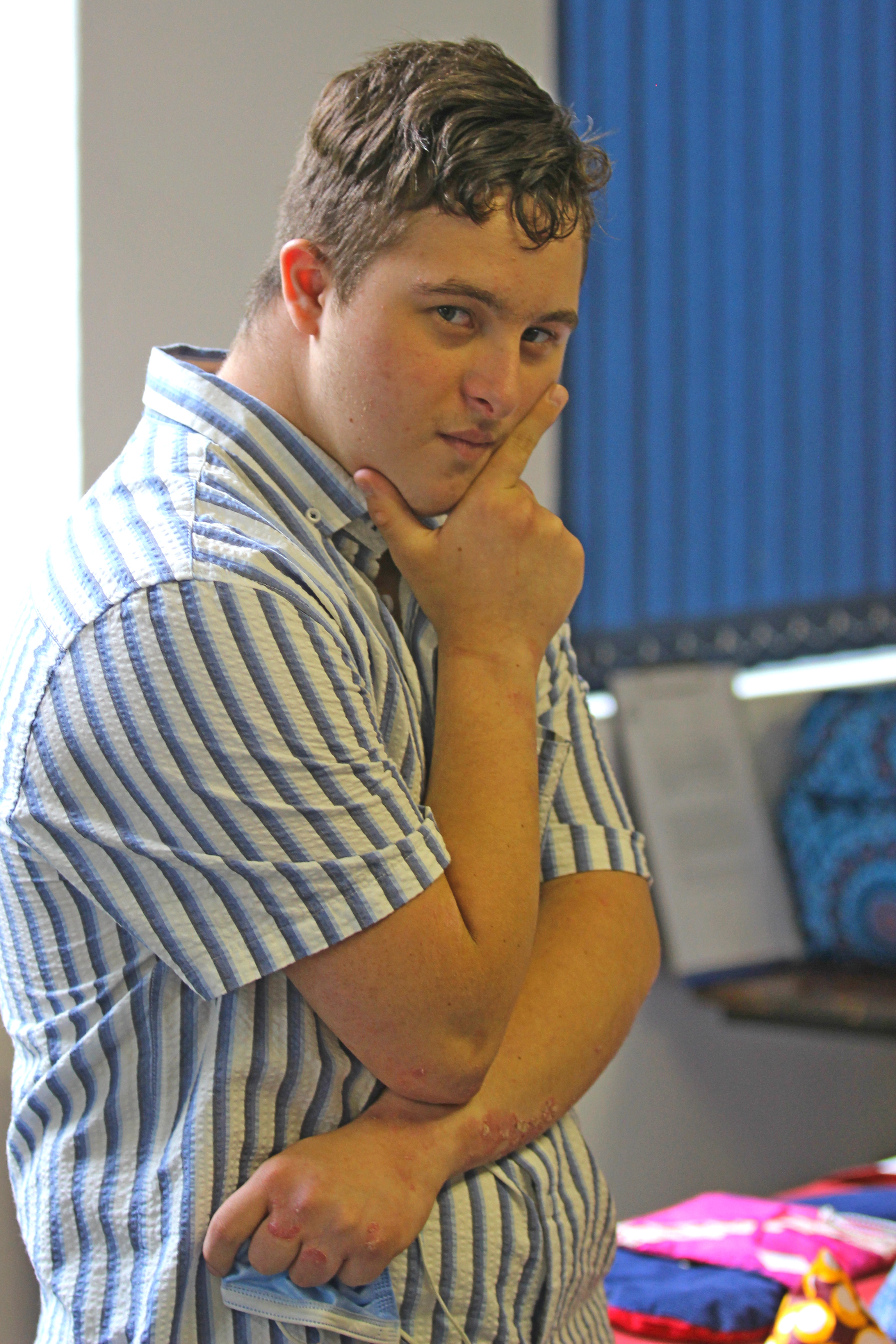
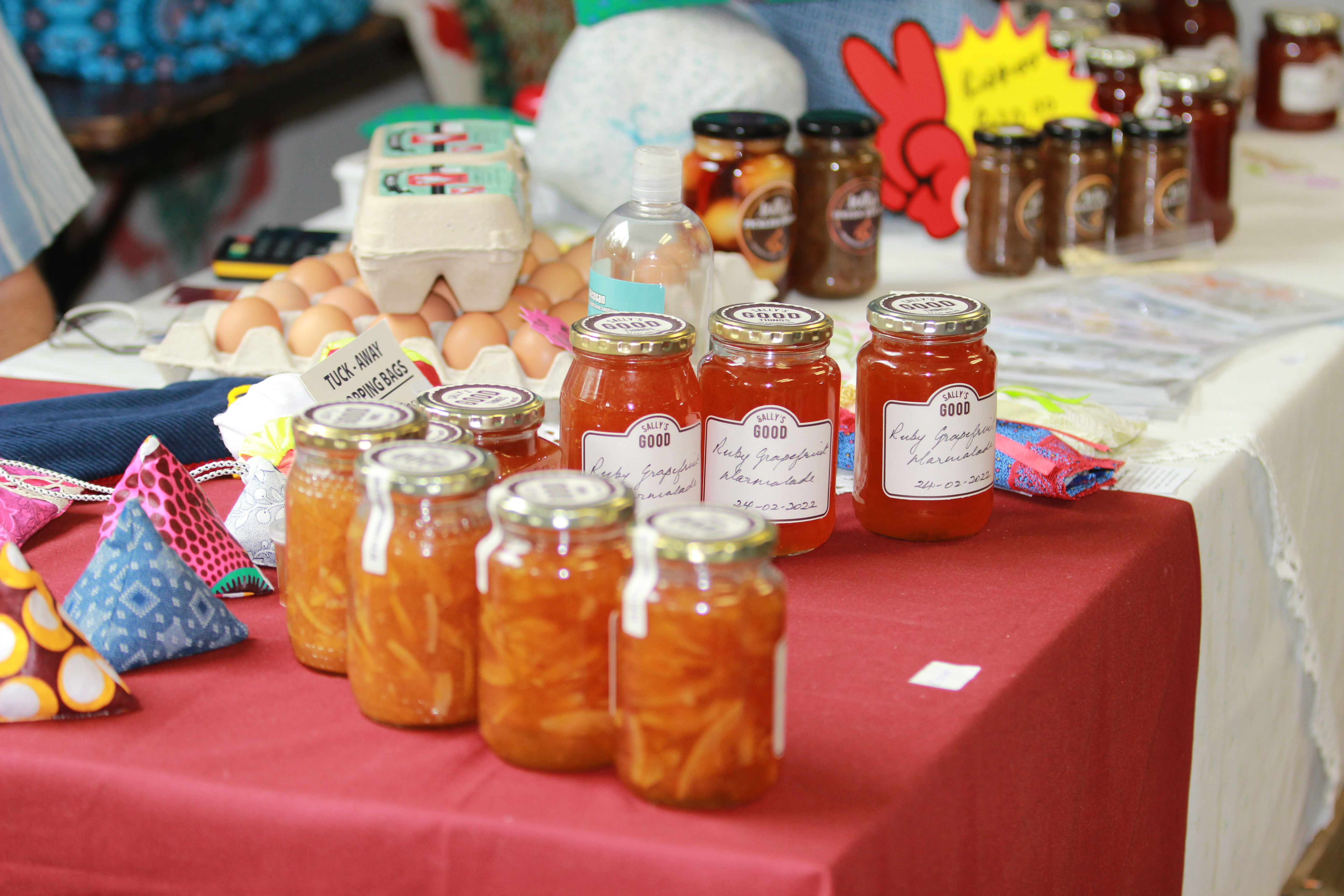
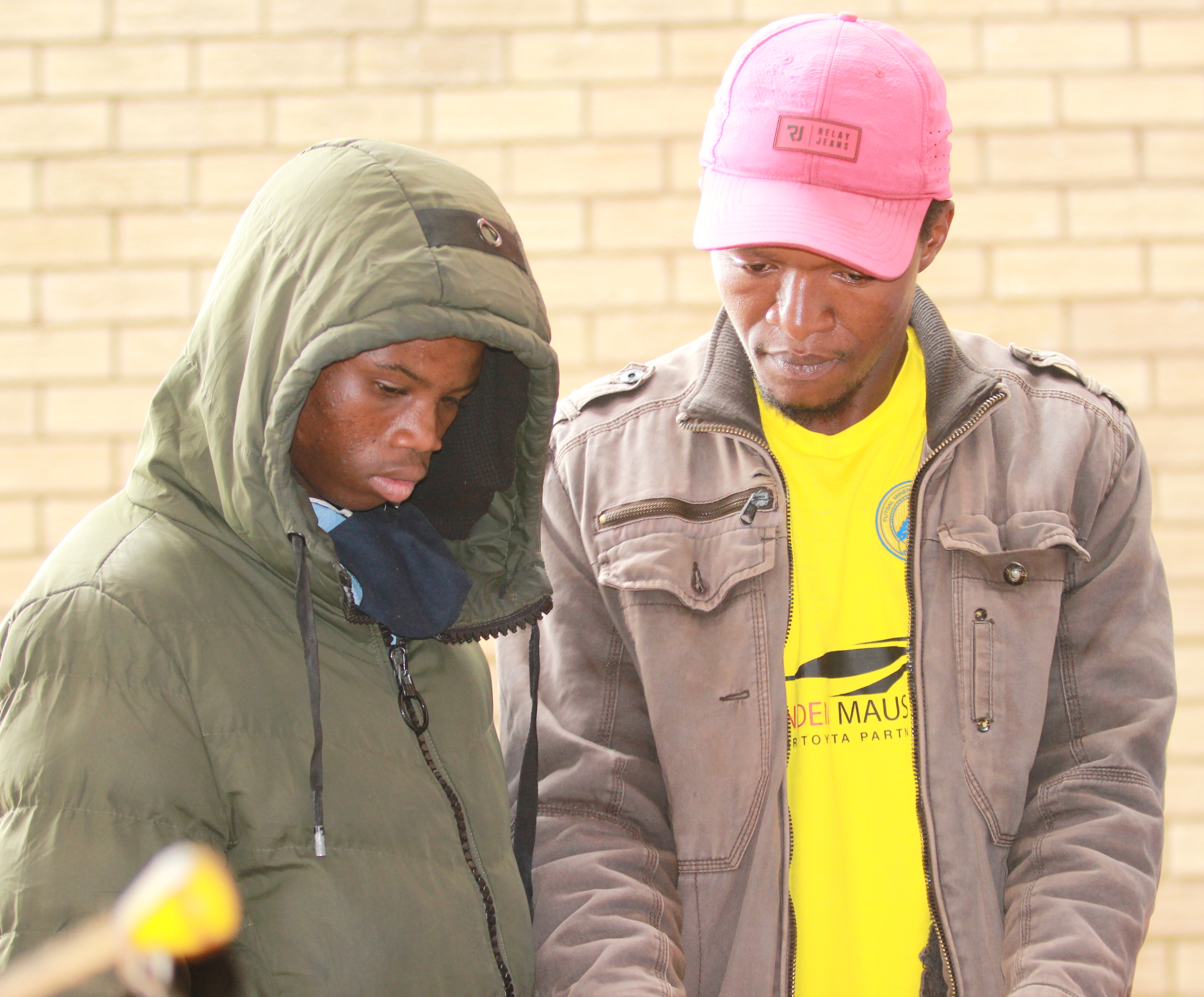
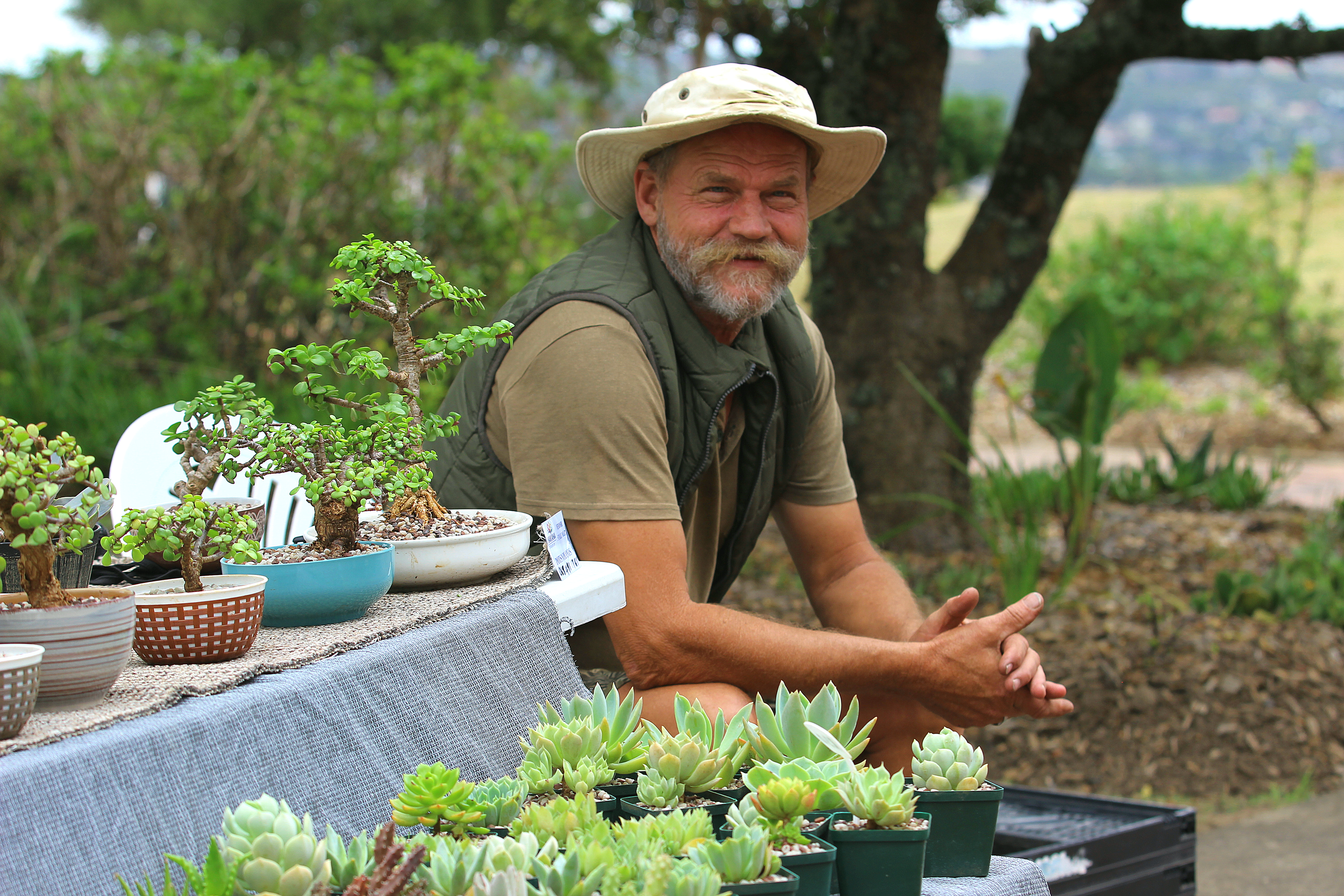
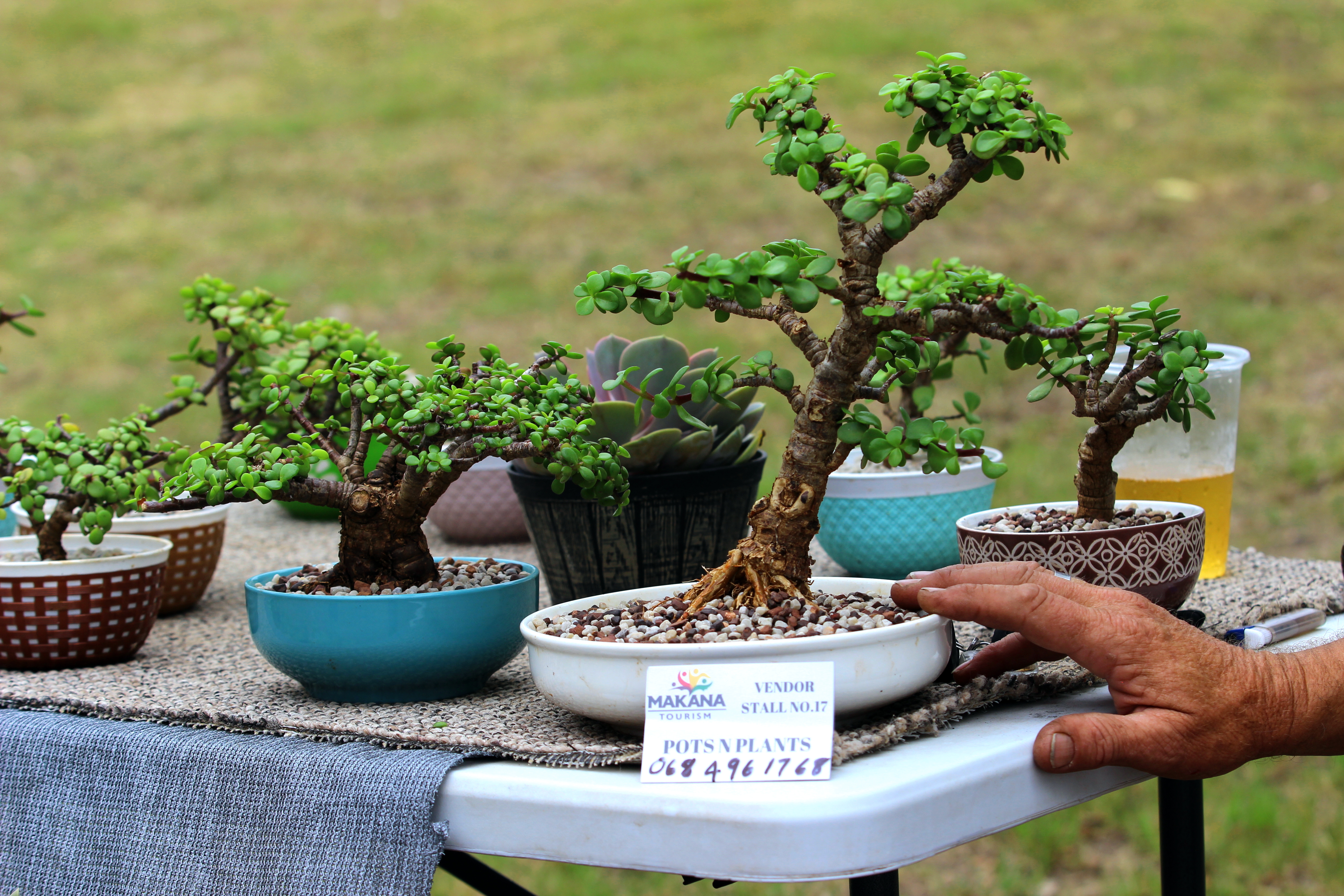
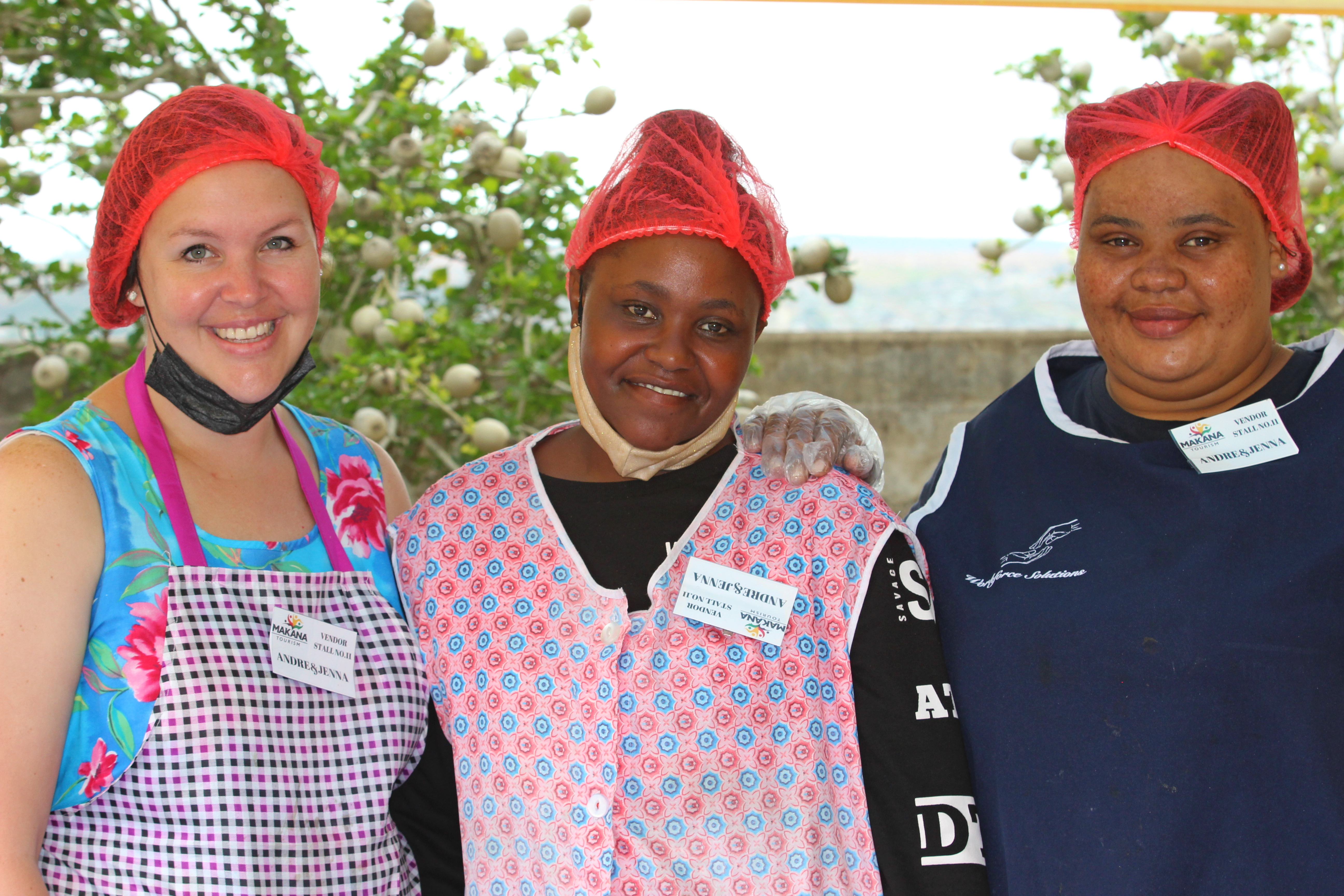
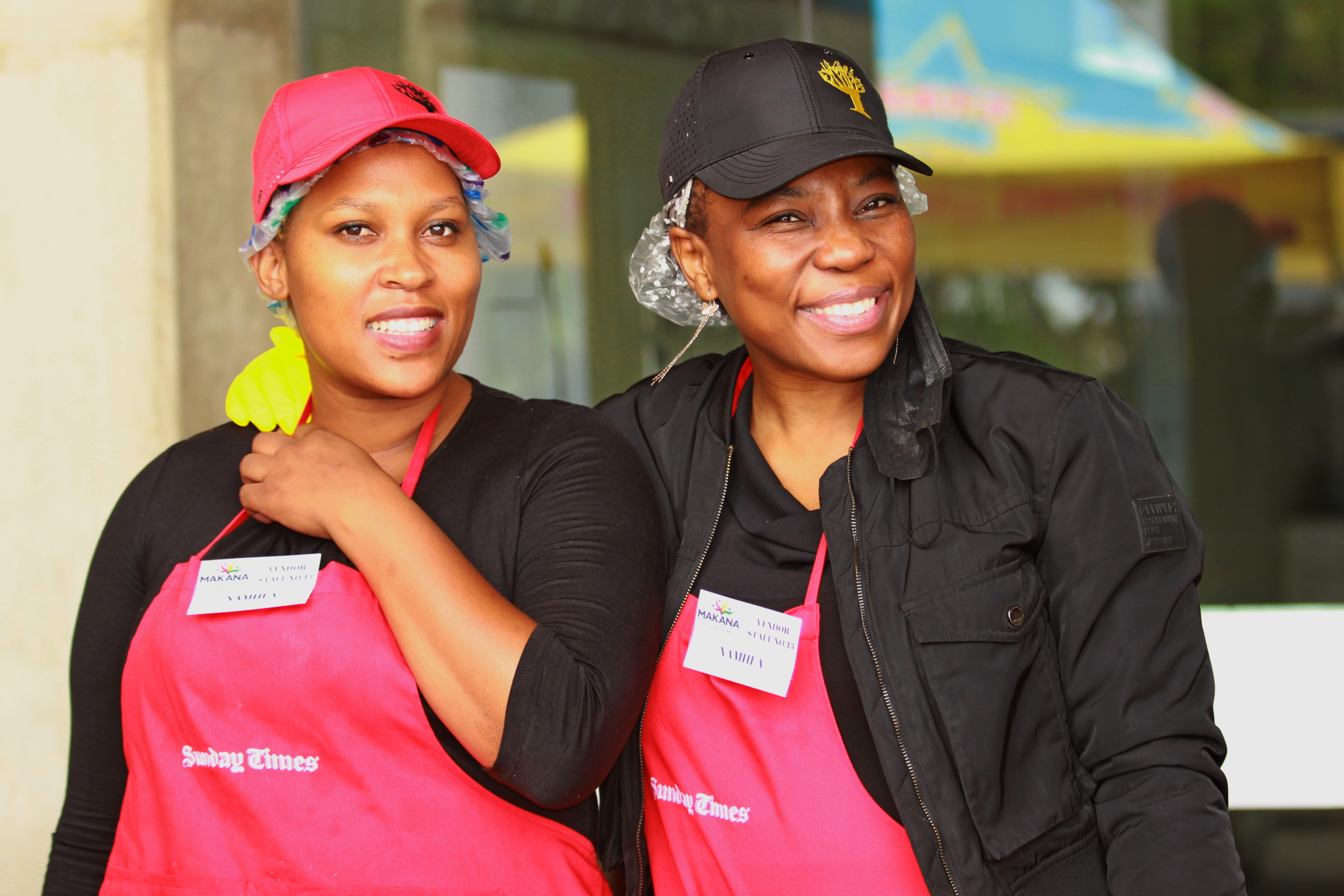
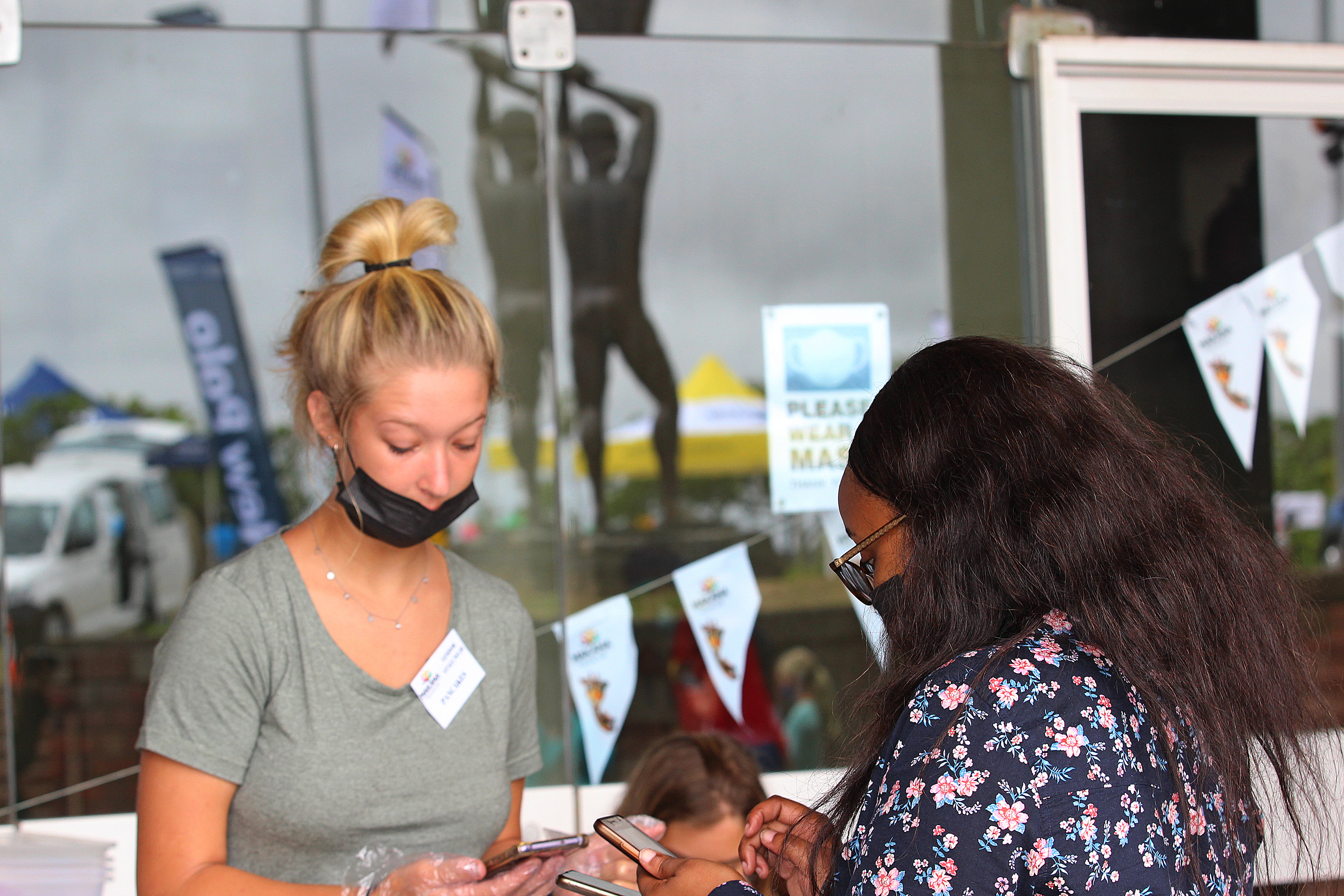
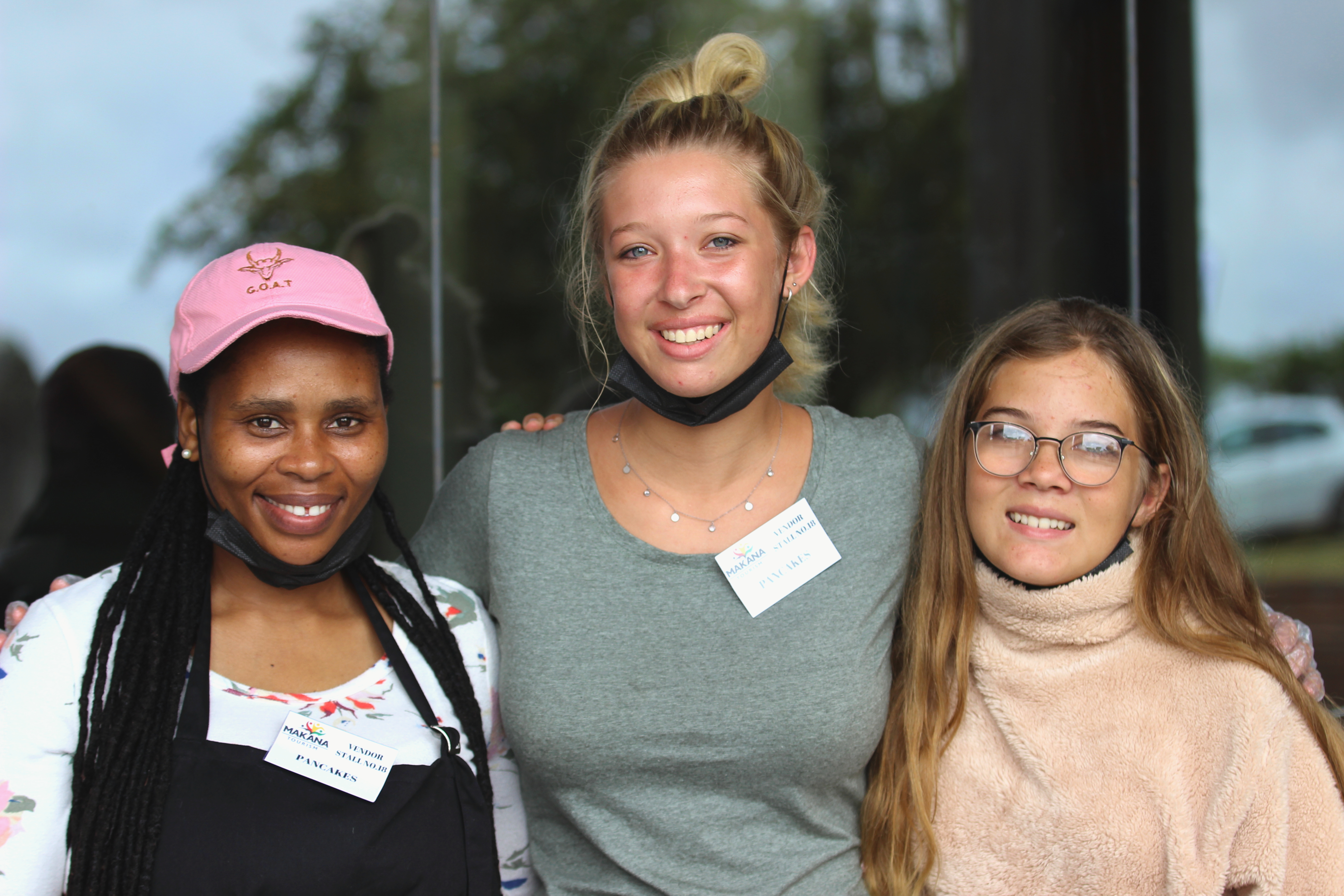
March 2, 2022In a celebration of Makhanda’s resilience and entrepreneurship, scores of people flocked to the Monument last weekend for delicious food, fresh produce, music and – most of all – the sheer joy of seeing each other face to face again. The Makana Tourism Food and Crafts Festival served as the official rebranding of Makana Tourism, and a reminder of the good things the town has to offer. Photos by Steven Lang








Concerns persist over Makhanda’s water lifeline
February 26, 2022Alarming reports, some of them informed by experienced technical sources, paint a picture of an imminent health and humanitarian disaster, with broken pumps, a shortage of treatment chemicals, an official’s removal of a crucial monitoring system and no public access to up-to-date water quality testing results. Makana has slammed some of the claims as ill-informed and says they could create unnecessary panic among the public. SmilingSouth independently asked expert sources to help judge how concerned we should be.
By Sue Maclennan
It sent shockwaves across South Africa when in 2019, the Gift of the Givers was welcomed by desperate Makhanda residents during a weeks-long water outage. Investigations by civil society activists and a councillor suggest the town’s 86 000-odd residents could be at risk of a water crisis at least as bad as any the town has survived in the past decade.
Monitoring by the DA and the Makana Residents Association has been reported on those organisations’ platforms during the past few weeks. The latest reports on Friday 18 February and Monday 21 February from councillor Geoff Embling and the Makana Residents Association say that:
- Of seven pumps that should be rotating at Makhanda’s two water treatment facilities, only one is properly operational;
- Both were set to run out of treatment chemicals by early next week (the water manager says these have arrived – please note the update on this below);
- An official has had crucial water-level monitoring equipment removed from two stations;
- With current water testing results yet to be made available, the community is in the dark about safety compliance.
How Makhanda’s water works
Makhanda has two water systems. Howieson’s Poort and Settlers dams depend on rainfall in catchments west of town. They serve the CBD and suburbs in west Makhanda via the Howieson’s Poort pump station and Waainek water treatment works.
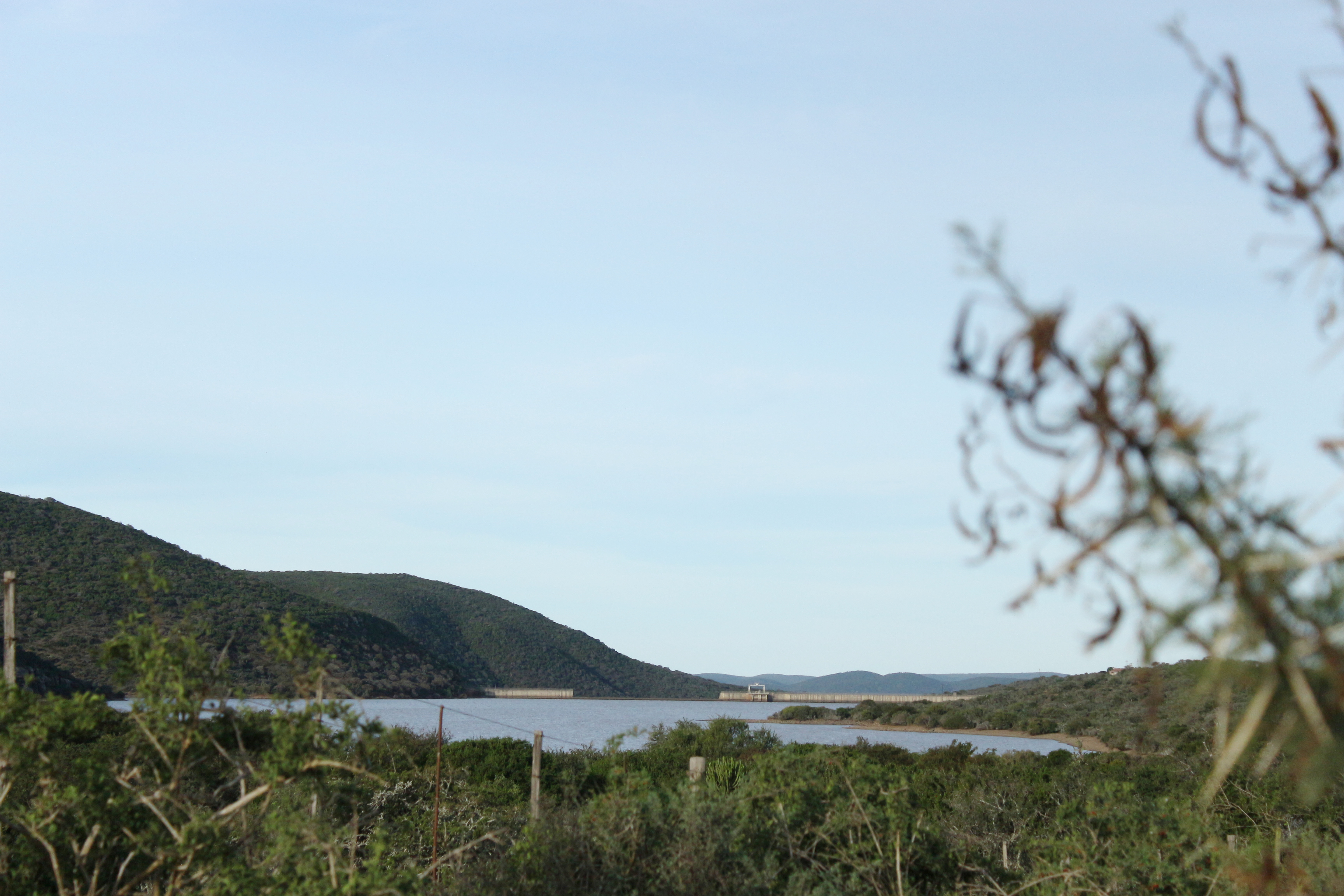
The Orange-Fish River scheme feeds Glen Melville Dam. Pumping from there, the James Kleynhans Water Treatment works and pump station serve the east side of Makhanda, including its townships.
What the monitoring reports said
Councillor Geoff Embling’s 18 February report warned that there was only one pump in operation in the Howieson’s Poort pump station – an observation he and fellow councillors had already made in December 2021.
“It was alleged that one pump burned out due to the operator running the pump whilst the inlet valve was closed,” Embling wrote. The second pump’s impellor had broken when it was run during low water levels.
The remaining pump was in poor working condition, leaking water, Embling wrote. His sources estimated that Waainek currently receives about 70% of the 8 megalitres a day it requires from Howieson’s Poort pump station.
“If the remaining pump was to break, the Western half of town would be without any water at all…” Embling wrote on 18 February.
A transfer pipeline carrying water from James Kleynhans to west Makhanda should ensure the whole town receives water, even during drought. But it’s broken and hard-to-source parts are delaying its repair.
There were also fears about the integrity of the James Kleynhans system. Embling, informed by an experienced engineer, said James Kleynhans required four pumps, or at least three in rotation, to prevent overloading. Currently there were only two.
“Out of the two remaining pumps at James Kleynhans, one… keeps tripping and must be reset, so the pump station is largely reliant on one pump to deliver water from James Kleynhans to the eastern side of town,” Embling said. “It is disturbing that both… water supplies are basically running on one cylinder… it seems as if the two ‘lifelines’ to [Makhanda] are hanging by a thread.”
More than 86 000 residents would be affected should both fail at the same time, Embling said.
Embling described an incident at Waainek in December 2021.
“Poor flocculation and treatment [resulted in] in dirty water… [and] approximately 24 megalitres of treated water being released down the hill at Waainek. The wasted water had allegedly been treated with just over a ton of chemicals.”
Embling said a report in the recent Finance portfolio committee said Makana’s supplier of water treatment chemicals had been paid close to R200 000, but had not delivered. The municipality had issued them with a letter of non-compliance and (at the time) there were less than two weeks’ worth of treatment chemicals left.
“The public needs to be informed about the situation,” Embling said.
The concern came as the Chris Hani District Municipality has become the latest public entity to advise residents to boil tap water due to poor quality. Nelson Mandela Bay metro has now declared their water safe to drink following diarrhoea and vomiting outbreaks and the death of a child allegedly linked to dirty water. Buffalo City Metro Municipality’s boil water advisory still maintains.
Four years ago, in May 2018, Makana was in national headlines as levels of e.coli in the supply far exceeded SANS safety standards at several sites across the municipality.
A 21 February letter from the Makana Residents Association to its members echoed Embling’s warnings and said it was a concern that the only person with access to the municipality’s high-tech monitoring system, SCADA, was the municipality’s water manager. Two other monitoring terminals had been removed from their stations at a local engineering company, and Rhodes University.
Continuing outages
Meanwhile, on the ground, residents and businesses continue to experience outages – in some cases for longer than two weeks at a time. The regime of providing water on alternate days is intended to allow all the town’s reservoirs to fill, so there can be equitable distribution from the gravity fed system. However, residents have frequently reported no water, or an early cut-off on days when they are due to have water.
A break in the transfer line from James Kleynhans and the Worcester Street engineering nightmare, along with numerous pressure-related pipe breaks across the town, have brought about several outages since the beginning of the year, in some areas as long as two weeks at a time. Most recently, a large release of water for downrtream users into the Fish River system that serves James Kleynhans resulted in high turbidity there, with challenges for treatment and therefore supply.
Some residents in Fitzroy Street have had no water at all in their taps for over two weeks.
“I can’t remember the exact date our water went out,” one resident told SmilingSouth. “But it’s been over two weeks now that we’ve had no water. “Our tanks are almost dry now and there is no rain.”
Fitzroy Street is the site of a project to replace old asbestos pipes. Completion of the project was hampered by the theft two weeks ago of several (metal) connecting valves.
On neighbourhood WhatsApp groups across the town, residents and business owners frequently report taps running dry early on “water on” days.
By Friday 25 February, residents in Emacangcini near JD Dlephu Stadium – served by the James Kleynhans system – reported having had no water for three days.
Makana’s Communications team posts updates daily. These sometimes include warnings of additional outages for maintenance or repairs; however, some outages aren’t explained and residents continue to vent their frustration at this on social media.
‘Misinformed perspectives’
Responding to questions based on the reports, Makana Municipality has hit back at the monitoring visits.
“Unauthorised visits without relevant escorts are not allowed, as they tend to provide misinformed perspectives,” the municipality said via its communications department.
The response from Makana Municipality to this reporter’s questions is included in full below. Some of the responses raise further questions. For example, Makana says of the Howieson’s Poort Pump Station that the municipality has submitted business plans to potential funders for its refurbishment, including the purchase of a full pumpset.
Amatola Water, which managed Makana’s bulk water supply from 2013 to 2017, completely refurbished the Howieson’s Poort pump station at a cost of R2 116 804.77. This included repairing motors 1 and 2 at Howieson’s Poort pump station; completely refurbishing a third pump; upgrading the pump control panels and installing instrument control devices, among other upgrades and repairs. This information is contained in the organisation’s close-out reports. In presentations to the municipality and residents at the time (2017), as well as earlier interviews with this reporter, Amatola Water explained that new pump and motor were specifically built to ensure that there was sufficient spare capacity to minimise the risk if there was catastrophic failure of pump sets 1 or 2. This was done due to the very long lead times to have those big motors and pumps repaired (around six months).
At the time, it cost around R500 000 to refurbish one of the Howieson’s Poort pumps. A single impeller blade took a week to be precision-engineered by the supplier.
It was for these reasons that protection mechanisms were built into a brand new control panel at the facility. A Programmable Logic Controller, it’s designed to receive data from the operating components (the pump systems) and in turn send operating instructions (such as to shut down the pump if it’s overheating).
Makana’s responses (as of 22 February at 8pm)
Water treatment chemicals
Makana Municipality (MM): The available chemical is sufficient to take us to Thursday, 24/02, when the next batch is delivered. There is a general shortage of water treatment chemicals, due to scarcity of raw materials nationwide (see http://ws.dwa.gov.za/IRIS/notice.aspx), and this is not unique to Makana Municipality.
UPDATE ON 25 FEBRUARY 2022
Makana’s Water Manager Gubevu Maduna Friday morning 25 February told this reporter that water treatment chemicals for the two waterworks had been delivered on Wednesday 23 February – a day earlier than scheduled. “We also have backup stocks, so it was not going to be a problem,” he said.
‘Burnt out’ pump at Howieson’s Poort
MM: The matter was reported and investigated but could not be proven. However, the municipality will gladly accept any further information that the community can assist with.
Second broken pump at Howieson’s Poort
MM: When the level of the dam is low, water quality deteriorates… high amounts of suspended solids [cause] excessive throttling on the sleeves… the impellers get stuck in the neck ring…”
NOTE FROM A SOURCE WITH KNOWLEDGE OF THE SYSTEM:
For either of these catastrophic events to occur, either the PLC was not working, or it was bypassed. The software is designed to make the pumps shut down before an event such as cavitation or overheating.
Remaining pump at Howieson’s Poort
MM: The remaining Pump at H/Poort is designed to pump 131l/s, translating to 11,3Ml/day, which is more than enough for the design capacity of Waainek Water Treatment Works, hence the excess amount of water pumped, but not treated is stored in the lei dams. The pump was repaired in June 2021… [it] is currently working and not in need of repairs. The pump is designed to have a circulation of cooling water and wet gland packings, for its normal operations. This may be viewed as a leak, from a layman’s point of view, hence unauthorised visits without relevant escorts are not allowed, as they tend to provide misinformed perspectives.
NOTE FROM EXPERIENCED ENGINEERS OUTSIDE THE MUNICIPALITY
Source 1: The response from muni is correct in that pumps have packing glands (kind of bearings) that are kept moist with water from the pump – it is not usually a lot of water (a trickle) so if it appeared to be a leak there could be a problem.
Unfortunately the municipality has responded according to some of the details and not addressed the most serious issues: Howieson’s Poort has only one pump which has to operate 24/7 in order to supply water for west of town while the transfer pipe is damaged. For an official to have the opinion that only one pump is necessary at Howieson’s is indicative of bad practice being taken as acceptable.
Source 2: Yes it’s correct that water pipes fixed to each pumpset are meant to drip at a certain rate to cool down the bearings. Howiesons Poort requires three pumps: one duty pump, one standby pump and one cold standby pump. These must be alternated to allow for maintenance.
- These sources, with whom this reporter communicated directly, asked to remain anonymous.
James Kleynhans pumps
MM: JKWTW has a design capacity of 10Ml/day and the Treatment works delivers and pumps from the Treatment Works to the Reservoirs an average 11.5Ml/day which is only achievable with 2 working Pumps. So, it is incorrect to claim that only 1 pump in JKWTW is effectively working. The pumps are designed to cut off when the clear water well is at minimum level, which may be viewed as tripping by a non-expert. This is a protection mechanism that is designed to minimise catastrophic damage that could occur should the pump run without enough water in the suction head. Once again, this is an ill-informed view, which creates unnecessary panic [among] the public.
NOTE FROM AN EXPERIENCED ENGINEER OUTSIDE THE MUNICIPALITY
If the pumps are stopping due to an empty intake tank that is normal – but if the pumps were tripping (due to a fault such as overheating) that is a different matter. JKWTW with only two pumps is also operating at full capacity without provision for standby and maintenance. This is bad and very risky procedure. There is a reason that these pump stations have been designed by engineers with respectively three and four pumpsets. Emphasis should be on these bigger issues without the Municipality answering only some of the technicalities.
- This source, with whom this reporter communicated directly, asked to remain anonymous.
What is the plan if the single operational pump at one or other (or both) treatment plant(s) breaks down?
MM: JKWTW: All 4 pumps are at the plant… However, what is missing, are the 2 motors, to have 4 complete pumpsets. 3 motors went for repairs and are ready to be delivered and installed.
MM: HOWIESON’S POORT: The 2 pumps went for strip and quote, however, due to the associated costs, it was viewed uneconomical to repair than replacing. The Municipality is in constant talks with the Service Providers, to establish various options that could be most economically viable and beneficial to the Municipality. On the other hand, the municipality had submitted Business Plans to potential funders for the refurbishment of the pumpstation which also includes a purchasing of a full pumpset.
24 million litres of treated water wasted in December 2021
MM: The total coagulant used for the month of December was 900 litres (1035kg) to treat 69.7ML. 60% of this water was further treated with [disinfectant] before [entering] the reservoir. The remaining 40% had to be released into the stream that flows back to Howieson’s Poort Dam, as it was not fit for human consumption. This had nothing to do with the incorrect methods, but rather a situation resulting from an abnormal raw water turbidity, for the available coagulant normally used at Waainek WTW. The plant is usually operated with a low-turbidity range coagulant… raw water turbidity is normally below 40NTU. As a result of the flash floods in December, the turbidity of the raw water spiked up to more than 1000NTU.
SCADA system monitoring panels removed
MM: The SCADA is an operational system that helps the operators to monitor and manage the water value chain. The current operator of the Makana Water System is Makana Water Department which is managed by Mr Gubevu Maduna… This is a vulnerable system that requires restricted access for control purposes and accountability, hence it cannot be co-managed and accessible to everyone.
Water quality testing results
MM: Samples were taken and the results are available, however cannot without being uploaded on DWS’s IRIS system… Once uploaded, they will be made available to you.
UPDATE ON FRIDAY 25 February 25, 2022
Water Manager Gubevu Maduna said the results had been uploaded on IRIS and were available via the Infrastructure Director. This reporter has requested a copy from the Director.
UPDATE: THESE WERE RECEIVED ON 1 MARCH 2022 (SEE BELOW)
 SmilingSouth